

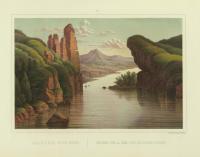
Arcadia
To Dig a Well (in Siberia)
In 1947, inhabitants of Yakutsk gained access to potable groundwater from below the permafrost layer for the first time.
In 1947, inhabitants of Yakutsk gained access to potable groundwater from below the permafrost layer for the first time.
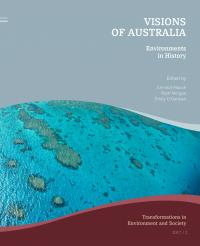
The contributions in this volume explore the way that Australasian environments have been envisioned, worked, and changed in the past, and how ideas about places inform the present and future of the continent.
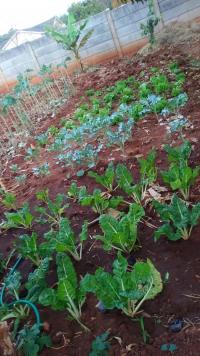
In 2000, the government restored land resources to the indigenous people of Zimbabwe. The chaotic land reform caused widespread environmental problems.
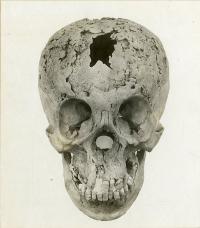
This article studies the history of the debate regarding the origins of the venereal syphilis that “emerged” in Europe at the end of the fifteenth century.

Munich from Below: What Happens Underground?
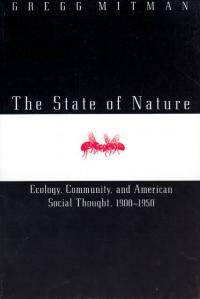
Gregg Mitman examines the relationship between issues in early twentieth-century American society and the sciences of evolution and ecology to reveal how explicit social and political concerns influenced the scientific agenda of biologists at the University of Chicago and throughout the United States during the first half of the twentieth century.
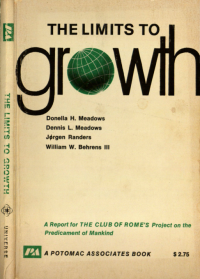
Book profile for The Limits to Growth.
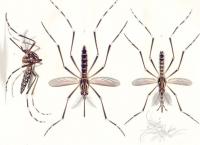
Rather than revealing the power of nature to shape human history, yellow fever is a disease that historically entangles nature and culture.

This monograph explores the history of the use of human excrement as agricultural fertilizer in China.