


Show search results for
Multimedia | Env. blogs & websites
Climates of Migration
This project looks at the historical intersections between environmental change and migration, and is particularly interested in climate-induced movements of people in the past.
Multimedia | book profile
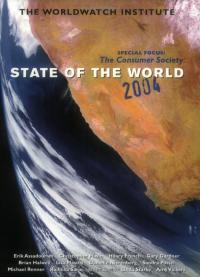
State of the World 2004: Special Focus: The Consumer Society
The special edition of State of the World, The Consumer Society, examines how we consume, why we consume, and what impact our consumption choices have on the planet and our fellow human beings.

Multimedia | book profile
Stadt der Commonisten. Neue urbane Räume des Do it yourself. (The City of Commonists: New Urban Spaces of the Do-It-Yourself)
This book tells the stories of urban do-it-yourself activists contesting conventional conditions of production and consumption through urban gardening sites, open repair workshops, fab labs, and share-and-swap events.
Multimedia | book profile
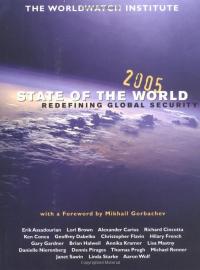
State of the World 2005: Redefining Global Security
In State of the World 2005: Redefining Global Security, Worldwatch researchers explore underlying sources of global insecurity including poverty, infectious disease, environmental degradation, and rising competition over oil and other resources.
Multimedia | podcast
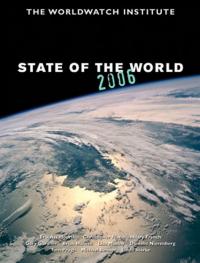
State of the World 2006: Special Focus: China and India
State of the World 2006 provides a special focus on China and India and their impact on the world as major consumers of resources and polluters of local and global ecosystems.
Multimedia | book profile
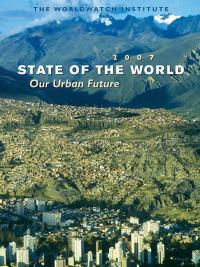
State of the World 2007: Our Urban Future
State of the World 2007: Our Urban Future examines changes in the ways cities are managed, built, and lived in that could tip the balance towards a healthier and more peaceful urban future.
Multimedia | podcast
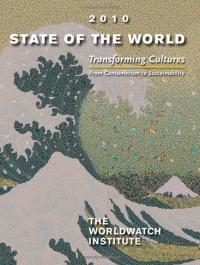
State of the World 2010: Transforming Cultures: From Consumerism to Sustainability
In State of the World 2010: Transforming Cultures, sixty renowned researchers and practitioners describe how we can harness the world’s leading institutions—education, the media, business, governments, traditions, and social movements—to reorient cultures toward sustainability.
Multimedia | book profile
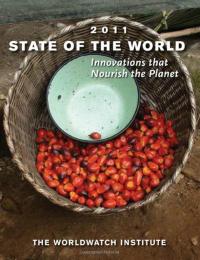
State of the World 2011: Innovations that Nourish the Planet
State of the World 2011: Innovations that Nourish the Planet introduces the latest agro-ecological innovations and their global applicability and also gives broader insights into issues including poverty, international politics, and even gender equity.

Multimedia | book profile
The Population Bomb
The Population Bomb criticizes overpopulation and advocates instant action to limit population growth. The author justifies his arguments with huge starvation threats and other trouble spots.