"On Nature and Power: Interview with Joachim Radkau"
An interview with Joachim Radkau, professor of history at the University of Bielefeld in Germany and author of Nature and Power: A Global History of the Environment..
This project looks at the historical intersections between environmental change and migration, and is particularly interested in climate-induced movements of people in the past.
This episode of a four-part documentary series reveals the struggles of indigenous Hawaiians and Australian Aboriginals to protect their sacred areas from modern and industrial encroachment.
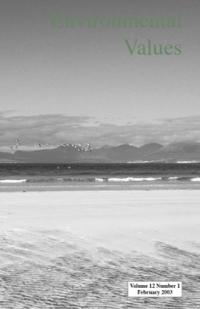
In this paper Tee Rogers-Hayden and John R. Campbell use the case of New Zealand’s Royal Commission on Genetic Modification to explore the application of science discourses as used by environmental groups.
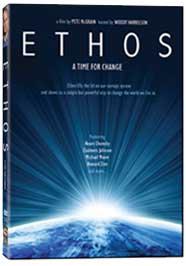
This film examines political and economic crises and the role of a corporate military-industrial context in undermining democracy, and is narrated by actor Woody Harrelson.
This film explores the Occupy protests and similar activist movements and what their vision for the world is.
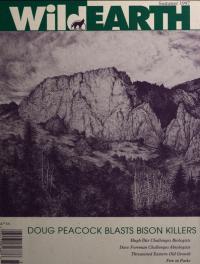
In Wild Earth 7, no. 2 Doug Peacock presents his field report on the Yellowstone bison slaughter, Reed Noss writes about endangered major ecosystems of the United States, and Virginia Abernethy analyzes if and how population growth discourages environmentally sound behavior.
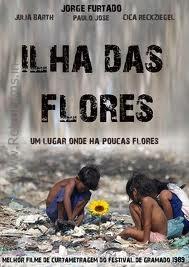
This short film follows a spoiled tomato as it moves through the Brazilian food chain.
In ¡Vivan las Antipodas!, award-winning documentary filmmaker Victor Kossakovsky visits four rare inhabited regions of the world that are antipodal to other landmasses and creates unexpected images that turn our view of the world upside-down.
This award-winning documentary follows a controversial sugar development scheme in Mali. Some oppose its claims to offer inclusive development, and see it as a neocolonial venture.