

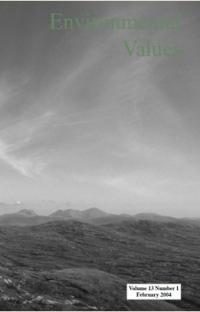
Multimedia | journal article
"Environmental Pollution and Professional Responsibility: Ibsen's A Public Enemy as a Seminar on Science Communication and Ethics"
Hub Zwart presents an environmental analysis of Henrik Ibsen’s A Public Enemy.
Hub Zwart presents an environmental analysis of Henrik Ibsen’s A Public Enemy.

This paper extends the argument in H.L.A. Hart’s “Are there any natural rights?” to argue that there is an environmental moral right against pollution.
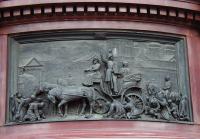
The 1831 cholera riot in St. Petersburg was an extreme result of the city’s immense water pollution problem and led to social conflict between the educated classes and the poor people.
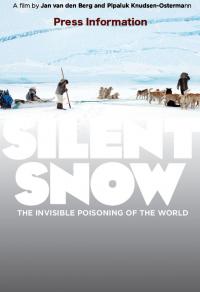
This film documents the effect of chemical and pesticide residuals on the Inuit community of Greenland, where they are carried by oceans and snow. It also examines the situations of those around the globe who must use these pesticides to survive.
Paul G. Harris analyzes the reasons for pollution and overuse of resources in China which have profound implications for the Chinese people and the world.
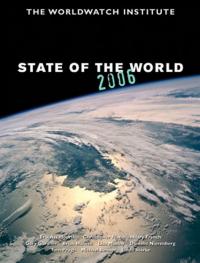
State of the World 2006 provides a special focus on China and India and their impact on the world as major consumers of resources and polluters of local and global ecosystems.

International Organizations and Environmental Protection comprehensively explores the environmental activities of professional communities, NGOs, regional bodies, the United Nations, and other international organizations during the twentieth century. It follows their efforts to shape debates about environmental degradation, develop binding intergovernmental commitments, and—following the seminal 1972 Conference on the Human Environment—implement and enforce actual international policies.

Krishna AchutaRao reviews the book Pushing our Limits: Insights from Biosphere 2 by Mark Nelson.

This film follows two friends as they travel the full length of the sacred Ganges River in India.
Vasundhara Jairath reviews the book Life in Oil: Cofán Survival in the Petroleum Fields of Amazonia by Michael L. Cepek.