


Multimedia | film profile
Tipping Point
On a journey through the Northwest Passage, this film examines the devastating effects of the Arctic’s disappearing sea ice on the planet’s climate and ecosystems.
On a journey through the Northwest Passage, this film examines the devastating effects of the Arctic’s disappearing sea ice on the planet’s climate and ecosystems.

An invasive mollusk called the shipworm (Teredo navalis) attacked coastal dikes in the Netherlands in the 1730s, leading to changes in the design of dikes.
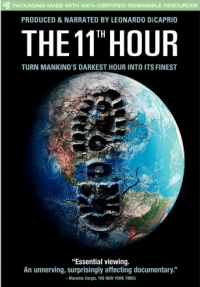
The 11th Hour stresses the urgency of the issues plaguing our planet, and the current generation’s pivotal role in tackling them. It features several leaders and experts and is narrated by Leonardo DiCaprio.
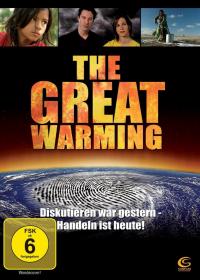
The Great Warming is a three-part Discovery Channel television series on the effects of anthropogenic global warming. Narrated by Alanis Morissette and Keanu Reeves, it takes a trip around the world to reveal how climate change is affecting people’s lives.

Asikel tells of the journey of Tuareg men who, after a great drought, seek work in the city to support their families.
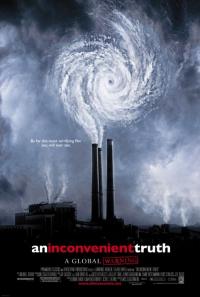
An Inconvenient Truth is a passionate and inspirational look at former Vice President Al Gore’s fervent crusade to halt global warming’s deadly progress by exposing the myths and misconceptions that surround it.
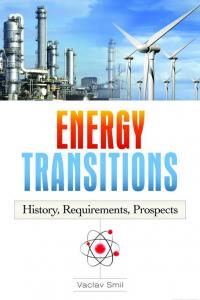
Vaclav Smil shows why energy transitions are inherently complex and prolonged affairs, and how ignoring this raises unrealistic expectations that the United States and other global economies can be weaned quickly from a primary dependency on fossil fuels.
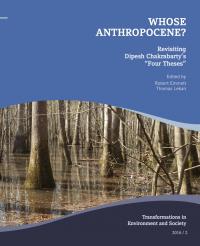
In “The Climate of History: Four Theses,” Dipesh Chakrabarty examined the idea of the Anthropocene—the dawn of a new geological period dominated by human activities—in the context of history and philosophy, raising fundamental questions about how we think historically in an era when human and geological timescales are colliding.This volume of RCC Perspectives offers critiques of these “Four Theses” by scholars of environmental history, political philosophy, religious studies, literary criticism, environmental planning, geography, law, biology, and geology.
Boggs’ focus on human niche construction and the Anthropocene places the spotlight on our actions and the values they reflect, as well as how we should deal with environmental problems.
The focus on human-environment relations from the perspective of climate change alone is too narrow. Often, society experiences climate change through political and technical decisions, rather than as an environmental crisis.