


Arcadia
The Thames Barrier: London's Moveable Flood Defense
In 1975, construction began for the Thames Barrier, a moveable flood defense located on the River Thames, downstream of central London in the United Kingdom.
In 1975, construction began for the Thames Barrier, a moveable flood defense located on the River Thames, downstream of central London in the United Kingdom.
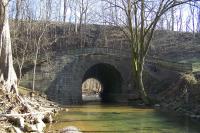
Could the Crooked Creek Flood of 1846 be the reason we cannot find George DeBaptiste’s house?
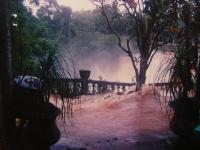
José Paronella’s dream continues at Paronella Park despite catastrophic flood and cyclonic events.
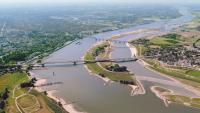
Nijmegen’s “Room for the Waal” project is a leading example for the application of the “making room for the river” water management approach.
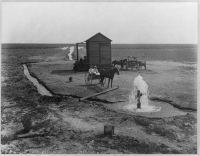
The agricultural landscape of California was based on a complex system of aqueducts that created the illusion of “normal” climatic variation.
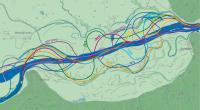
The history of the Danube regulation in the Austrian Machland during the nineteenth century shows the enormous efforts made to transform a dynamic river landscape into a navigable waterway and a stable floodplain that supports the various human demands.

This article investigates the transformation of Bangalore’s Dharmambudhi lake into the central bus terminus.

The construction of the Serre-Ponçon dam in 1955 was the first step in the development of dams in the Durance River, the most regulated waterway in France

Numerous cartographic and written historical sources tell the story of the measures Vienna’s dynamic Danube riverscape underwent in an extensive effort to secure navigation between the main river arm and the city within the last 500 years.
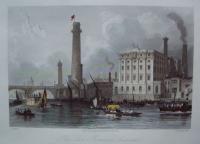
Making more beer for eighteenth-century London’s growing population increased the need for clean water. Efforts to guarantee supplies to the brewers had an effect on both urban and rural landscapes.