


Arcadia
A Milestone on the Road to Independence? Singapore’s Catastrophic 1954 Floods
The flooding in Singapore in 1954 was one of the most significant floods on the island in the twentieth century.
The flooding in Singapore in 1954 was one of the most significant floods on the island in the twentieth century.

Susie Hatmaker investigates the largest flood of coal ash in United States history in 2008 as an event at once monumental and insignificant.
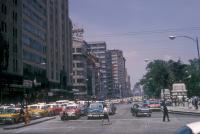
A noxious air forces Mexico City to confront its unwavering urbanizing and industrializing mission in the late twentieth century.
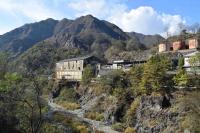
This article explores the history and effects of the (hydro)electrification of the Ashio Copper Mine.
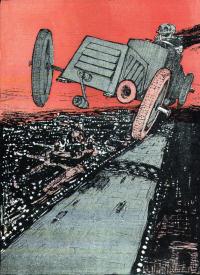
The first cholera epidemic in St. Petersburg, then capital of the Russian Empire, brought to light the city’s enormous sanitary problems. During the course of the epidemic 12,540 people sickened and 6,449 died.
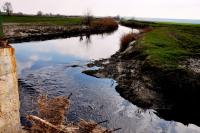
This article investigates the pollution of the Ergene River as an outcome of the hegemonic cosmology in Turkey.

Michael Marder interprets the “toxic flood” we are living or dying through as a global dump. On his reading, multiple levels of existence—from the psychic to the physiological, from the environmental-elemental to the planetary—are being converted into a dump, a massive and still growing hodgepodge of industrial and consumer by-products and emissions; shards of metaphysical ideas and theological dreams; radioactive materials; light, sound, and other modes of sensory pollution; pesticides and herbicides; and so forth.
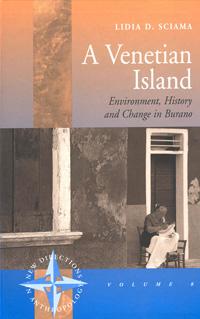
Based on ethnographic and archival data, this in-depth study of the Venetian island of Burano shows how its inhabitants develop their sense of a distinct identity.
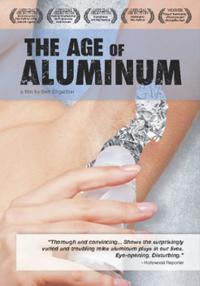
This film investigates the widespread presence of aluminium in our daily lives, and its surprising consequences for the environment, as well as our health.
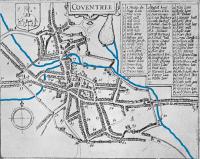
On 25 January 1421, the newly elected mayor of Coventry, England issued a proclamation that gives us insights into medieval urban sanitation concerns and their regulation in the later medieval period.