Half a Century of Public Participation to Stop Pollution in the Alviela River, from 1957 to Today
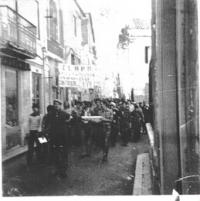
This article examines mobilization and resistance against pollution in the Alviela River in the Santarém municipality, Portugal, since the 1950s.

In 1966, a stray beluga whale swimming up and down the polluted Lower Rhine caught the media’s attention in West Germany.
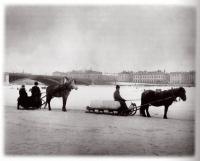
Since its foundation in 1703, the history of St. Petersburg is closely linked to the Neva River. The Neva is the biggest and the most important river in the Eastern Baltic. The citizens of St. Petersburg constructed complex technologies of river control that enabled them to live cheek by jowl with the mighty and self-willed stream.
In the face of neglect and exclusion, Nairobi slum dwellers have found ways to provide for themselves, diverting water from the grid and selling it to other residents.
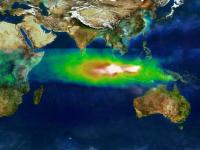
In 1997 and 1998 peat swamp forests burned in Borneo, Indonesia, spewing big amounts of carbon dioxide into the atmosphere.
The St. Petersburg flood of 1824, in which the level of the river Neva rose to the 4 meter 20 centimeter mark, is the greatest in the history of the city. The city did not recover from the destructive effects of the flood until the mid-1830s.
The environmental and imaginative significance of poplar trees in post-Soviet cities of Northern Kazakhstan.
An invasive mollusk called the shipworm (Teredo navalis) attacked coastal dikes in the Netherlands in the 1730s, leading to changes in the design of dikes.
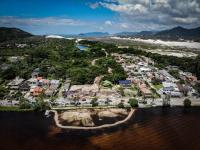
In 2021, a disaster in Florianópolis prompted a lawsuit that might have far-reaching effects on environmental law.
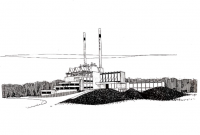
How does a waste incinerator take part in the production of a Swiss landscape?