


Multimedia | film profile
Banking Nature
This film examines the pros and cons of the financialization of nature, an approach which some believe can make up for failed political solutions.
This film examines the pros and cons of the financialization of nature, an approach which some believe can make up for failed political solutions.

This film recounts the formation and rise of Greenpeace as one of the world’s most prominent environmentalist organizations.

Live Wild or Die! no. 6 includes discussions of civil disobedience and demonstration tactics, rage against television, and an explanation of the negative environmental and health consequences of tampon use. In an introductory editorial, the editors clarify their non-violent intent.

In this Arcadia article, environmental historian Emmanuel Kreike explores the relationship between conservation and deforestation in twentieth-century Namibia.
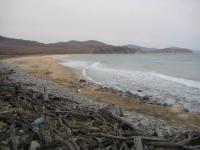
Imperial tensions in the Russian Far East led Russian officials to create a fishing fleet ex nihilo as a means to ousting foreign (primarily Chinese and Japanese) fishermen from strategically valuable waters.
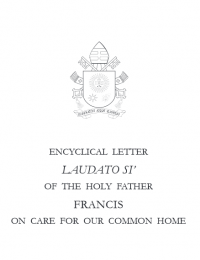
In his Encyclical Letter Laudato Si’ Pope Francis invokes all humans, believers and non-believers alike, to work together to save the earth from environmental degradation and create a fair and sustainable future for all.

In 1987 the UN’s World Commission for Environment and Development publishes the report “Our Common Future,” also known as the “Brundtland Report.”

The seminal “World Conservation Strategy” of 1980 argues for the protection of essential ecological processes and habitats, the preservation of genetic diversity, and the sustainable utilization of species and ecosystems.
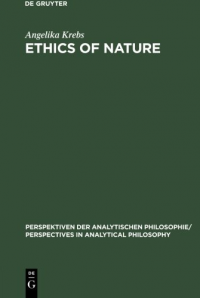
Ethics of Nature is an inquiry into the value of nature. Is nature’s value only instrumental value for human beings or does nature also have intrinsic value?
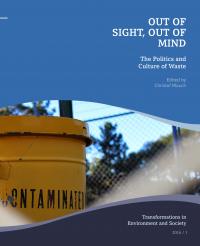
Waste is never completely or permanently “out of sight.” Once discarded, it undergoes transformations, often reappearing elsewhere in new forms. In this volume of RCC Perspectives, scholars from different disciplines—from history and art history, urban geography, environmental studies, and anthropology—investigate the traces waste leaves behind in the course of its travels.