


Multimedia | film profile
Ethos: A Time For Change
This film examines political and economic crises and the role of a corporate military-industrial context in undermining democracy, and is narrated by actor Woody Harrelson.
This film examines political and economic crises and the role of a corporate military-industrial context in undermining democracy, and is narrated by actor Woody Harrelson.

This film uses the New Mexico chile pepper to investigate genetically modified foods and criticizes the practices of the companies involved.
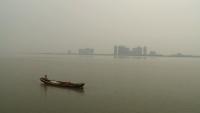
This film investigates the crises facing China’s environment from the perspectives of four activists.
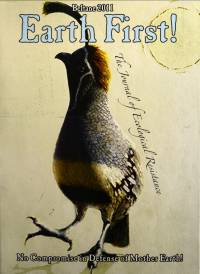
Earth First! Journal 31, no. 3 presents thoughts on jaguar recovery in the United States, ecocide and renewal in Iraq’s marshlands, South Florida forest defense work, and native land rights at Glen Cove.

This film follows an 84-year old woman’s campaign to ban the sale of bottled water in the small American town of Concord, Massachusetts.
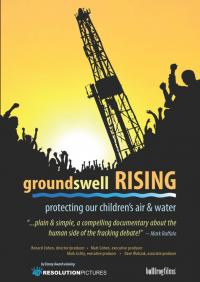
This film shows how the oil and gas industries, rich with political connections, obtained a position of almost untouchable power and how at-risk communities have united to fight back.
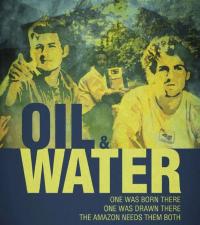
This film follows two young men fighting to preserve the Ecuadorean Amazon. One is a member of the indigenous Cofan tribe, sent to the US for a Western education as a child; the other is an American college student.
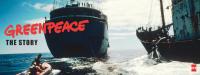
This film recounts the formation and rise of Greenpeace as one of the world’s most prominent environmentalist organizations.

Live Wild or Die! no. 6 includes discussions of civil disobedience and demonstration tactics, rage against television, and an explanation of the negative environmental and health consequences of tampon use. In an introductory editorial, the editors clarify their non-violent intent.

The authors offer a manifesto for the humanities to step up to the challenges of environmental change, and invite others to join the open global consortium Humanities for the Environment.