


Arcadia
Internationalism in the Heart of Africa? The Albert National Park / Virunga National Park
The Virunga National Park (Democratic Republic of the Congo) is still partially influenced by imaginaries developed in the 1920s.
The Virunga National Park (Democratic Republic of the Congo) is still partially influenced by imaginaries developed in the 1920s.
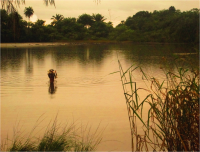
Once a benefit to humanity but now a scourge, the environment of the Niger Delta has been transformed into a haven for violence, militancy, and criminality.

Outdoor recreational access in the form of Swedish right to public access may provide people with the opportunity to connect to nature.
Vanesa Castán Broto critiques sustainable development agendas that approach green cities as merely engines of economic growth.
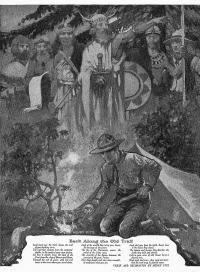
These Boy Scout images, particularly focused on the 1919–1925 era, demonstrate that human labor and history permeated popular American nature ideology and hiking practices at that time.
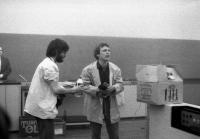
In 1969, the Danish environmental organization NOAH is established, following a spectacular happening at the University of Copenhagen.
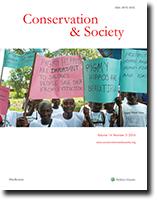
Drawing on interviews with 25 Australian environmental leaders, the authors ask how international instruments with cosmopolitan ambitions influence the discourse and practice of national and subnational environmentalists attempting to find common ground with Indigenous groups.
Based on 25 interviews with Australian environmental leaders, the authors assess the value and benefit of the World Heritage Convention and the UNDRIP in relation to Indigenous communities and cosmopolitanism.
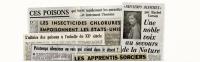
This is Chapter 9 of the exhibition “Rachel Carson’s Silent Spring: A book that changed the world” by historian Mark Stoll.
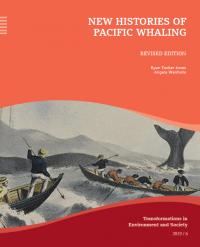
Jason Colby explores the role of one female gray whale in shaping human perceptions of her species and their status in the wild.