

Perspectives Article
Art, Social Change, and the Green City: A Rebuke of Green Metropolitanization
Rob Krueger argues that art provides a way of framing the disconnect between “green metropolitanization” and its emancipatory potential.
Rob Krueger argues that art provides a way of framing the disconnect between “green metropolitanization” and its emancipatory potential.
This essay explores the possibility of “slow hope” for positive environmental change.
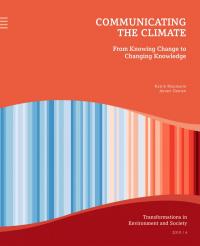
Shortis suggests that the World Park Antarctica campaign offers a positive example of an environmental campaign that includes but does not center scientific authority.
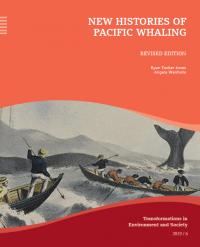
Jason Colby explores the role of one female gray whale in shaping human perceptions of her species and their status in the wild.
Lissa Wadewitz juxtaposes the American animal welfare movement with American whaling crews.
How can we best influence and enact a shift beyond “doom and gloom” when we talk about the environment? The letters in this Perspectives volume are responses to this dilemma. Through an exploration of new environmental narratives, this volume aims to stimulate readers to emotionally reflect on how we can embrace hope and resilience in our stories about the environment.
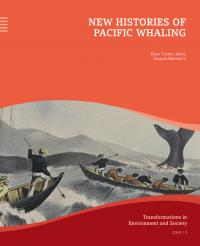
Lissa Wadewitz juxtaposes the American animal welfare movement with American whaling crews.
This issue of RCC Perspectives takes a sweeping look at encounters with and legacies of the book, examining the global impact of Silent Spring over its half century of existence and considering the ways in which Rachel Carson’s ecological worldview equips us to understand and confront current and future challenges to our planet.
Jenny Price critiques Rachel Carson’s Silent Spring for reinforcing a human–nature divide that shifted environmental responsibility onto individuals while obscuring systemic and institutional accountability.
Lawrence Culver argues that no book has matched the impact of Rachel Carson’s Silent Spring and urges modern environmentalists to emulate her clear, compelling communication to reach broad audiences.