


Multimedia | journal article
“The Unbearable Weight of Displaced Weather”
Human geographer Mike Hulme looks at sociotechnical developments that have changed the climate and, at the same time, the way we experience the weather.
Human geographer Mike Hulme looks at sociotechnical developments that have changed the climate and, at the same time, the way we experience the weather.
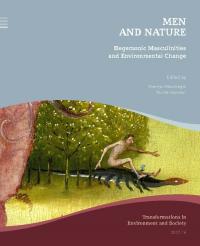
The essays in this collection explore how masculine roles, identities, and practices shape human relationships with the more-than-human world.
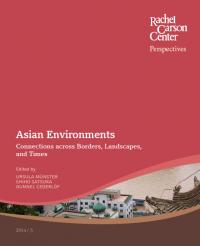
This issue of RCC Perspectives offers insights into similarities and differences in the ways people in Asia have tried to master and control the often unpredictable and volatile environments of which they were part
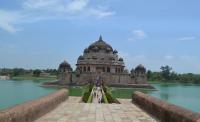
The article shows how ecological and geographical features influence the configuration of political space within a region.

Wilko Graf von Hardenberg discusses the ways water management policies shaped the landscape of his childhood during the years of the Fascist regime in Italy.
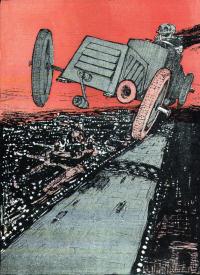
The first cholera epidemic in St. Petersburg, then capital of the Russian Empire, brought to light the city’s enormous sanitary problems. During the course of the epidemic 12,540 people sickened and 6,449 died.
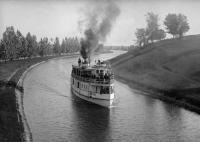
Emerging from an Indigenous Nishnaabeg ontology, “survivance” calls for an understanding of other-than-human persons as agentially surviving and resisting colonial violence.
Katie Ritson reflects on the changing North Sea coast, linking its geological history and literature to the bigger picture of time and hope.
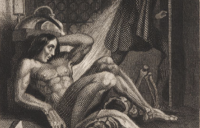
Ecoanxiety in Mary Shelley’s Frankenstein signals our ability to create art in reaction to environmental disaster in increasingly unstable planetary futures.

The sea gives and the sea takes away. The story of the submerged forest at Redcar, England.