Historical GIS Research in Canada
This book brings together case studies of HGIS projects in historical geography, social and cultural history, and environmental history from Canada’s diverse regions.
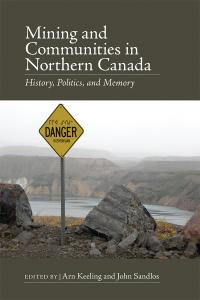
This collection examines historical and contemporary social, economic, and environmental impacts of mining on Aboriginal communities in northern Canada. Combining oral history research with intensive archival study, this work juxtaposes the perspectives of government and industry with the perspectives of local communities.
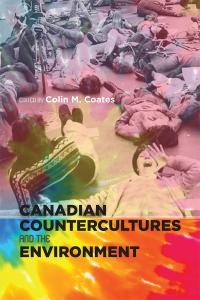
This collection contributes a sustained analysis of the beginning of major Canadian environmental debates between the 1960s and 1980s, and examines a range of issues related to broad environmental concerns, topics which emerged as key concerns in the context of Cold War military investments and experiments, the oil crisis of the 1970s, debates over gendered roles, and the increasing attention to urban pollution and pesticide use.
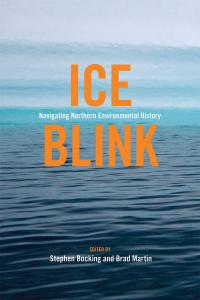
Northern Canada’s distinctive landscapes, its complex social relations and the contested place of the North in contemporary political, military, scientific and economic affairs have fueled recent scholarly discussion. At the same time, both the media and the wider public have shown increasing interest in the region. This collection extends our understanding of the environmental history of northern Canada—clarifying both its practice and promise, and providing critical perspectives on current public debates.
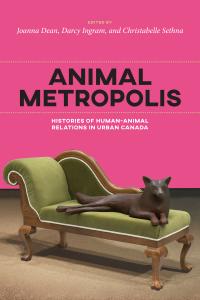
This collection brings a Canadian perspective to the growing field of animal history, ranging across species and cities, from the beavers who engineered Stanley Park to the carthorses who shaped the city of Montreal. Some essays consider animals as spectacle, while others examine the bodily intimacies of shared urban spaces.
The European Association for the Study of Literature, Culture, and Environment (EASLCE) promotes research and education in the fields of literary, cultural and environmental studies, and aims to cultivate a better understanding of the interrelationship between natures and cultures for a more sustainable future.
This exhibition tells the story of Mabel “MB” Williams, an extraordinary, ordinary woman who became devoted to national parks and engendered that devotion in others. Historian Alan MacEachern documents her role in shaping the philosophy of Canada’s Dominion Parks Branch (the precursor to Parks Canada) in the early- to mid-twentieth century. Digitized photographs and letters from Williams’s life, her guidebooks and other publications, and audio interviews with Williams herself reveal her influence on, and love for, Canada’s national parks.
The Australian & New Zealand Environmental History Network provides a means for people to communicate and exchange information about forthcoming events and new publications in Australia and New Zealand.
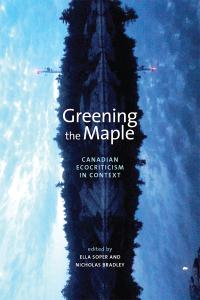
This book explores the development of ecocriticism in the context of Canadian literary studies.
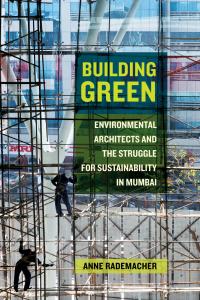
This book explores the experience of environmental architects in Mumbai, one of the world’s most populous and population-dense urban areas and a city iconic for its massive informal settlements, extreme wealth asymmetries, and ecological stresses.