

Arcadia
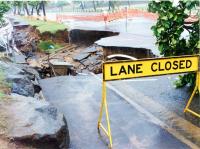
Remembering the Night of Noah: Flood Memory and Townsville's Floods of 1998 and 2019
Flood memory in Townsville is strong, but this does not align with the city’s capacity to live sustainably with floods.
Flood memory in Townsville is strong, but this does not align with the city’s capacity to live sustainably with floods.
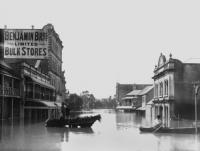
Brisbane’s 1893 floods shaped water policy in southeast Queensland, creating a dependency on dams.
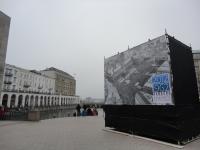
Today, the Storm Flood of 1962 forms an integral part of local and national memory culture. Public commemoration events, monuments, and media coverage assure that the disaster is not forgotten.

Brisbane’s 1974 floods substantially damaged Brisbane, accelerating the government’s plans for a second flood mitigation dam.
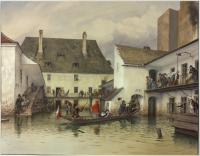
During the eighteenth and nineteenth centuries, massive floods regularly threatened cities and settlements along the Danube River. The introduction of wide-reaching telegraph networks enabled Habsburg authorities in Vienna to protect the most important city of the empire.
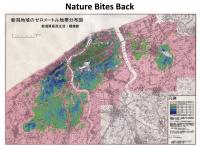
Engineering the Lower Shinano River in northeastern Japan expanded the risk of other flood and tsunami damage.
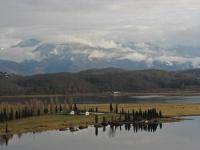
In 1969, the Georgian resort of Pitsunda and its beach were severely damaged by a storm. This was largely due to an ongoing process of coastal erosion caused by anthropogenic influences.
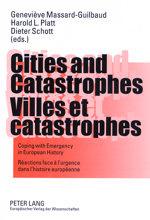
Covering a wide geographical range of European countries, the articles in this edited collection investigate urban disasters such as floods, fires, earthquakes, and epidemic diseases.
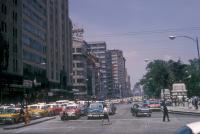
A noxious air forces Mexico City to confront its unwavering urbanizing and industrializing mission in the late twentieth century.
This volume explores the potential contribution memory studies can make to policymaking, in particular on conservation and disaster resilience.