


Exhibition chapter
Introduction | Risk and Militarization
This is the introductory page of the virtual exhibition “Representing Environmental Risks in the Landscapes of US Militarization”—written and curated by literary scholar Hsuan Hsu.
This is the introductory page of the virtual exhibition “Representing Environmental Risks in the Landscapes of US Militarization”—written and curated by literary scholar Hsuan Hsu.

This film examines the life of a German town some decades after a nuclear plant inspired nationwide resistance.

This exploration of the deepening crisis of food security in India looks at four case studies, dealing respectively with Punjab, Warangal, Kalahandi, and Bellary. These are interspersed by insights into a movement in the Himalayas that may offer alternatives in the form of sustainable agricultural systems, which revive traditional agricultural practices (Beej Bachao Andolan).

Ukraine’s Dnipro River and nearby inhabitants have lived through brute-force environmental change and war over the last century.

The 1987 nuclear power referendum was a major political victory for the Italian environmental movement. In the wake of the Chernobyl nuclear disaster, it led to a moratorium on building nuclear plants in Italy.

Severe winter weather in 1917–1918 paralyzed New York Harbor impacting logistical operations for the Allies in World War I.
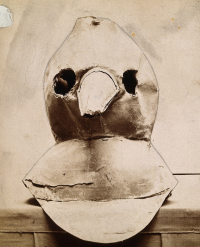
What can we learn from human responses to epidemics and pandemics in history? What insights can ecological and environmental humanities perspectives provide? This new and growing collection of annotated links to open-access media (analyses, primary sources, and digital resources) helps put pandemics in context.

This is the introductory page of the virtual exhibition “Drought, Mud, Filth, and Flood: Water Crises in Australian Cities, 1880s–2010s”—written and curated by Andrea Gaynor et al.

The flooding in Singapore in 1954 was one of the most significant floods on the island in the twentieth century.

In “Another Silent Spring,” historian Donald Worster explains how human relations with other animals, wild and domestic, is at the core of a majority of epidemics.