


Exhibition chapter
Epidemics and ecology | Another Silent Spring
In “Another Silent Spring,” historian Donald Worster explains how human relations with other animals, wild and domestic, is at the core of a majority of epidemics.
In “Another Silent Spring,” historian Donald Worster explains how human relations with other animals, wild and domestic, is at the core of a majority of epidemics.

This chapter of the “Wilderness Babel” exhibition, written by historical geographer Philippe Forêt, looks at cartographic representations and nomenclature of wilderness in French.


This is a part of the virtual exhibition “Famines in Late Nineteenth-Century India: Politics, Culture, and Environmental Justice”—written and curated by sociologist Naresh Chandra Sourabh and economic historian Timo Myllyntaus.

Introductory chapter to the virtual exhibition Toxic Relationships: Uncovering the Worlds of Hazardous Waste.

In this chapter of the online exhibition “Representing Environmental Risks in the Landscapes of US Militarization,” literary scholar Hsuan L. Hsu writes about the impacts of US nuclear testing.
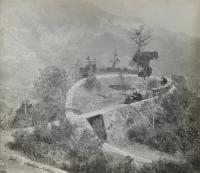
This is a chapter of the virtual exhibition “Famines in Late Nineteenth-Century India: Politics, Culture, and Environmental Justice”—written and curated by sociologist Naresh Chandra Sourabh and economic historian Timo Myllyntaus.

Munich airport: Economy instead of ecology? The Munich airport wants to be green. But it used to be much greener here. How high is the price for humans and nature?
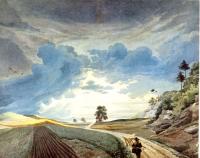
In this chapter of her virtual exhibition “Human-Nature Relations in German Literature,” Sabine Wilke discusses texts that register transformations of landscapes or take a position on their causes. For the German-language version of this exhibition, click here.