


Arcadia
The Founding of the Danish Environmental Movement NOAH
In 1969, the Danish environmental organization NOAH is established, following a spectacular happening at the University of Copenhagen.
In 1969, the Danish environmental organization NOAH is established, following a spectacular happening at the University of Copenhagen.
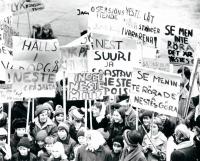
This article studies the “Neste war,” 1970–1972, the first major victory of the environmental movement in Finland.
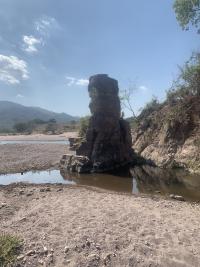
Indigenous groups in Nayarit, Mexico, reaffirmed their sacred environmental sites through social movement.

Since the 1960s, the community food movement in the United Kingdom has evolved from a means of survival to an alternative to industrialized agriculture.

An enduring legacy of the antinuclear movement is its construction of a narrative connecting human survival to nature’s beneficence.
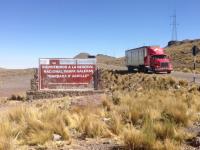
In the 1980s, Bárbara d’Achille traveled through Peru as one of the country’s first environmental writers and activists.

Greenpeace pioneer Bob Hunter was heavily influenced by Native American mythology and thus created the image of Greenpeace activists as “Rainbow Warriors.”

The 1972 UN Conference on the Human Environment in Stockholm marked a watershed in the evolution of humanity’s relationship with the earth and global concern about the environment. While most of the conference’s accomplishments were mainly rhetorical, its ultimate success was that environmental policy became a universal concern within international diplomacy. Sweden, as the host country, played no minor role in achieving this outcome.

A reflection on the globalization of toxic waste as a global environmental justice issue, both at home and abroad.
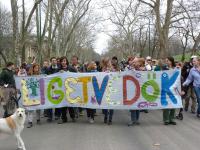
This article analyzes the recent controversial environmental history of urban parks in Istanbul, Turkey, and Budapest, Hungary, under authoritarian regimes.