One Century of Reindeer on South Georgia: From Introduction to Eradication
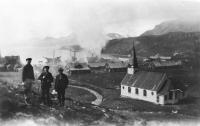
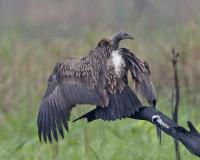
Beginning in 2013, reindeer on South Georgia—originally brought to the island by whalers in 1911—were eradicated in order to safeguard local biodiversity.
In 1975, construction began for the Thames Barrier, a moveable flood defense located on the River Thames, downstream of central London in the United Kingdom.
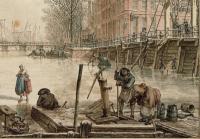
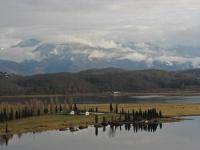
During the Little Ice Age’s harsh winters, frozen waterways posed challenges and opportunities in the Dutch Republic.
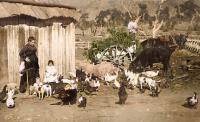
When the COVID-19 pandemic struck, demand for backyard chickens soared. This article traces how, since settlement, Australians have turned to backyard chooks in times of crisis in pursuit of food security.
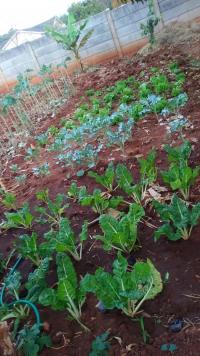
In 2000, the government restored land resources to the indigenous people of Zimbabwe. The chaotic land reform caused widespread environmental problems.
This article explores the past and future of one of Mumbai’s largest city forests.
In 1969, the Georgian resort of Pitsunda and its beach were severely damaged by a storm. This was largely due to an ongoing process of coastal erosion caused by anthropogenic influences.
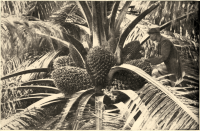
Humans have a long history of meddling in the oil palm’s sex life.
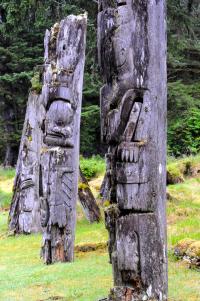
A fierce land-use dispute evolved over the temperate rainforests of the Haida Gwaii Islands in British Columbia, Canada, in 1974.
In 1997 and 1998 peat swamp forests burned in Borneo, Indonesia, spewing big amounts of carbon dioxide into the atmosphere.