

Arcadia
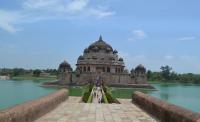
Ecopolitical Space in a Riverine Landscape of South Asia
The article shows how ecological and geographical features influence the configuration of political space within a region.
The article shows how ecological and geographical features influence the configuration of political space within a region.
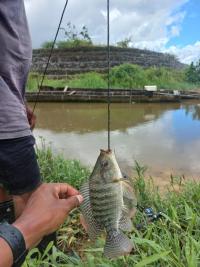
Indonesian state experts introduced invasive species into West Papua, a deliberate ecological disruption that advances a colonial agenda disguised as development.

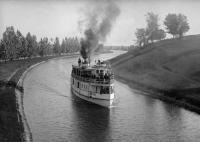
The first cholera epidemic in St. Petersburg, then capital of the Russian Empire, brought to light the city’s enormous sanitary problems. During the course of the epidemic 12,540 people sickened and 6,449 died.
Emerging from an Indigenous Nishnaabeg ontology, “survivance” calls for an understanding of other-than-human persons as agentially surviving and resisting colonial violence.

The construction of the Serre-Ponçon dam in 1955 was the first step in the development of dams in the Durance River, the most regulated waterway in France

Ecoanxiety in Mary Shelley’s Frankenstein signals our ability to create art in reaction to environmental disaster in increasingly unstable planetary futures.

The sea gives and the sea takes away. The story of the submerged forest at Redcar, England.
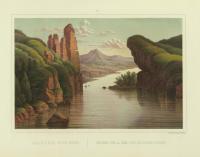
In 1947, inhabitants of Yakutsk gained access to potable groundwater from below the permafrost layer for the first time.

Numerous cartographic and written historical sources tell the story of the measures Vienna’s dynamic Danube riverscape underwent in an extensive effort to secure navigation between the main river arm and the city within the last 500 years.
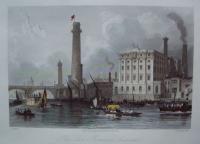
Making more beer for eighteenth-century London’s growing population increased the need for clean water. Efforts to guarantee supplies to the brewers had an effect on both urban and rural landscapes.