


Multimedia | book profile
Saving the Planet: The American Response to the Environment in the Twentieth Century
Saving the Planet is a history of US conservation and environmental movements in the twentieth century.
Saving the Planet is a history of US conservation and environmental movements in the twentieth century.
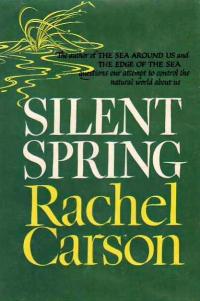
Silent Spring describes the harmful effects of pesticides on the environment, and is widely credited with helping launch the environmental movement.
Bron Taylor introduces Earth First!, the best known of the so-called “radical environmental” groups, founded in 1980 in the southwestern United States.
Bron Taylor provides insight into the Earth First! movement, through the second decade of publication of its journal (1990 to 2000), as well as offshoot publications such as Live Wild or Die!, ALARM, and Wild Earth.
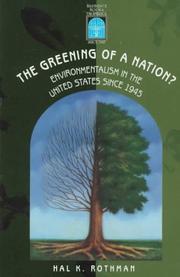
A study of environmentalism in post-World War II United States.
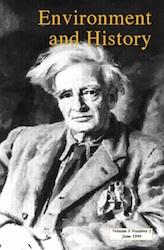
After yellow fever was firmly ensconced via an ecological reconfiguration connected to sugar (c. 1640–90) it underpinned a military and political status quo, keeping Spanish America Spanish. After 1780, and particularly in the Haitian revolution, yellow fever undermined that status quo by assisting independence movements in the American tropics.
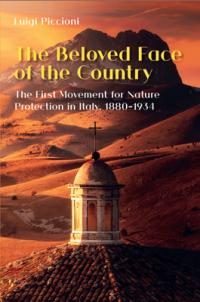
Excerpt from The Beloved Face of the Country: The First Movement for Nature Protection in Italy, 1880–1934.
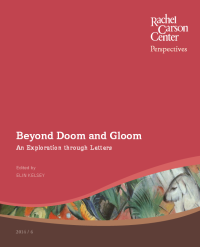
Sherilyn MacGregor writes to James Lovelock in gratitude, arguing that his provocative opinions may inspire environmental action by encouraging people to think critically.
This book is a collection of papers from one of the first major US conferences on environmental history, which took place 1–3 January 1982 at the University of California’s Irvine campus, and brought together over 100 scholars active in the field.
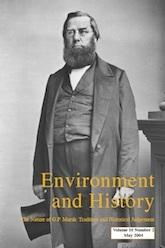
This paper examines the reception of Marsh’s ideas in New Zealand in the 1870s along with the ideas of the largely-forgotten Titus Smith about human impacts upon the vegetation of Nova Scotia in the nineteenth century, prompting reflection upon the relevance of tales of environmental understanding from two colonial realms for the practice of environmental history in the twenty-first century.