

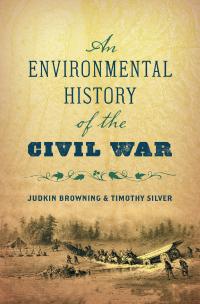
Multimedia | book excerpt
An Environmental History of the Civil War
Excerpt from An Environmental History of the Civil War.
Excerpt from An Environmental History of the Civil War.
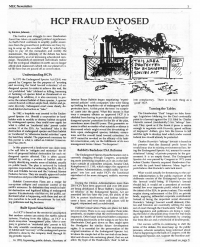
This issue of Mendocino Environmental Center Newsletter features stories on the fraud surrounding a Habitat Conservation Plan, an update on Mendocino Environmental Center court actions, and the Eel River Diversion Plan.
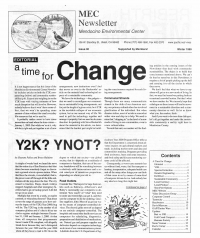
This issue of Mendocino Environmental Center Newsletter features stories on Y2K (the turn of the millenium), genetic engineering, and local currency and produce.
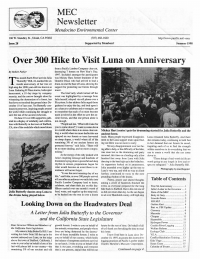
This issue of Mendocino Environmental Center Newsletter features stories on Julia Hill’s tree sit anniversary, printing a local currency called Ukiah Hour, and the future of Masonite.
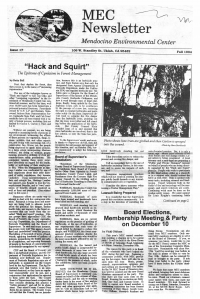
In this issue of Mendocino Environmental Center Newsletter, Dana Stolzman discusses the Headwaters Forest Act; Gary Ball updates on the County Forest Practice Rules; and Bruce Haldane writes about the bombing of the Earth First! activists, Judi Bari and Darryl Cherney.
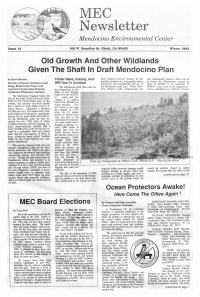
In this issue of Mendocino Environmental Center Newsletter, Susan Crane discusses who are the real vandals; Vicki Oldham writes about Clinton’s Forest Plan; and Mary Pjerrou brings up the issue of logging companies using new tactics to avoid the Timber Harvest Plan (THP) process.
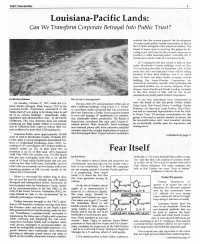
This issue of Mendocino Environmental Center Newsletter features stories on Louisiana-Pacific Lands, corporate betrayal, and the natural alliance between forest workers and environmentalists.
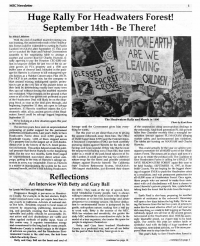
This issue of Mendocino Environmental Center Newsletter reports on the cultural evolution of Headwaters Forest, the Coho salmon, and provides an update on Judi Bari’s lawsuit.
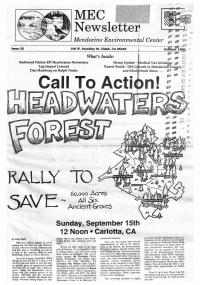
This issue calls readers to action to save the Headwaters ancient forest groves from salvage logging. It also includes reports on medical hemp, non-native species arriving with imported logs from Siberia, and the Coho salmon. Dan Hamburg endorses Ralph Nader for US president.
This historiographical essay outlines and discusses major trends within European environmental history by highlighting recent discussions and future possibilities regarding collaboration across national borders and contexts, and ultimately arguing for more transnational cooperation within the field of environmental history.