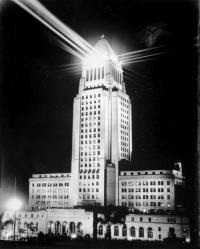
Touching Power: White Womanhood, Colonial Spectacle, and the “Forces of Nature” at the Boulder Power Inaugural
Gender colonization, progress, and nature on display as the first electricity from Hoover Dam arrived in Los Angeles in 1936.
This chapter of the “Wilderness Babel” exhibition, written by historical geographer Philippe Forêt, looks at cartographic representations and nomenclature of wilderness in French.
Banff is the Canadian national park you have heard of.
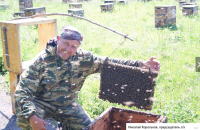
This article discusses forest beekeeping in the Russian Far East and its unique role in protecting primary forests in the context of Aristotelian ethics.
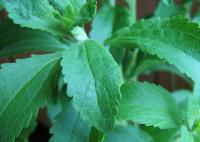
The Guaraní accused global corporations such as Coca Cola and Cargill of using their traditional knowledge associated with the stevia plant and filed for an access-and-benefit sharing agreement.
The hydroelectric dam “Site C” impacts not only the local environment but also the everyday life of indigenous groups.
As virgin forests become carbon sinks and biodiversity hotspots, their coproduced history is consigned to oblivion.
The process of defining Kosovo’s postconflict landscape amplifies narratives of division and marginalizes memories of cooperation.
This is a part of the virtual exhibition “Famines in Late Nineteenth-Century India: Politics, Culture, and Environmental Justice”—written and curated by sociologist Naresh Chandra Sourabh and economic historian Timo Myllyntaus.