

Arcadia
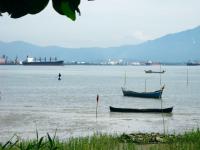
Memories from the Disaster in 2004 of the Ship Vicuña
The ship accident of Vicuña is considered one of the biggest disasters that occurred on the Brazilian coast of Paraná, Brazil.
The ship accident of Vicuña is considered one of the biggest disasters that occurred on the Brazilian coast of Paraná, Brazil.
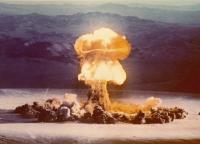
This is Chapter 1 of the exhibition “Rachel Carson’s Silent Spring: A book that changed the world” by historian Mark Stoll.
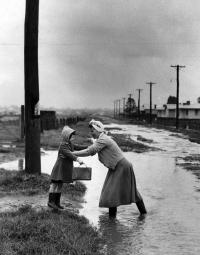
In this chapter of the virtual exhibition “Drought, Mud, Filth, and Flood: Water Crises in Australian Cities, 1880s–2010s,” the authors describe the ways in which infrastructure failed to keep pace with population growth in Melbourne, Victoria, and how residents developed their own means to overcome deficiencies. Residents of the postwar suburban frontier installed septic tanks and pan toilets, joined together to lay stormwater drains to improve the health and amenity of their local streets.
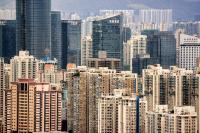
This is a chapter of the virtual exhibition “Welcome to the Anthropocene: The Earth in Our Hands”—written and curated by historian Nina Möllers.
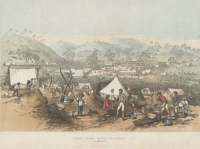
Once a denuded gold mining landscape, now a National Heritage Park, this place is site of emerging environmental histories of post-colonizing, post-mining lands.
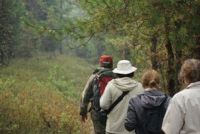
This article looks afresh at the environmental history of Russia by starting from the perspective of some bears in Siberia.

This piece examines the historical context of industrial heritage tourism of the post-industrial landscape at the São Domingos Mine in southeastern Portugal.
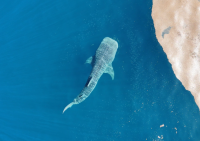
Whale sharks gather each year at Ningaloo Reef, their seasonal appearances drawing intensive human attention, reminding us that the story of the ocean is also our own story.
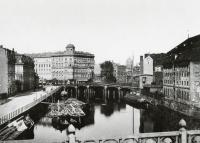
Peat was a widely used fuel in mid-nineteenth-century Berlin that acted as a bridge in the energy transition between firewood and coal.
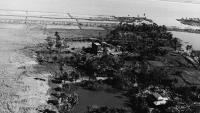
The Bhola Cyclone of 1970 contributed to the independence of Bangladesh and had lasting impacts on its disaster preparedness and public welfare.