

Arcadia
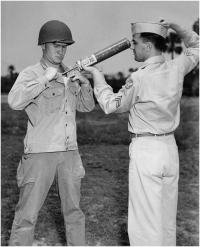
“Yanqui Cotton Patch”: US Development Aid and Pesticide Use in Nicaragua
This article explores the impact of extensive pesticide use in Nicaragua after World War Two.
This article explores the impact of extensive pesticide use in Nicaragua after World War Two.
Chapter 5 of the virtual exhibition Toxic Relationships: Uncovering the Worlds of Hazardous Waste.

A chapter of the virtual exhibition “Beyond Doom and Gloom: An Exploration through Letters,” this letter presents the aquarium as a source of optimism. The exhibition is curated by environmental educator Elin Kelsey.
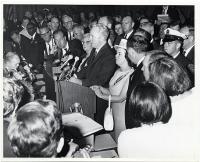
This is Chapter 2 of the exhibition “Rachel Carson’s Silent Spring: A book that changed the world” by historian Mark Stoll.

Wild rice was “tamed” when domesticated in the 1950s, yet both cultivated and foraged wild rice face shared contemporary challenges.
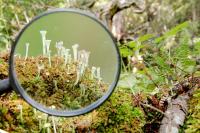
Sixth chapter of Ricardo Rozzi et al.’s virtual exhibition, From Hand Lenses to Telescopes: Exploring the Microcosm and Macrocosm in Chile’s Biocultural Laboratories.

Agbogbloshie (Ghana) is an unnerving and fascinating example of human ingenuity, but at the same time an environmental and social tragedy.
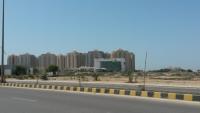
This article investigates how plants are supported by systems of ethno-political, military, and neoliberal power in urban Pakistan.
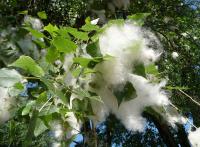
The environmental and imaginative significance of poplar trees in post-Soviet cities of Northern Kazakhstan.