

Multimedia | Env. blogs & websites
Time to Eat the Dogs
Time to Eat the Dogs is a blog about science, history, and exploration. It aims to broaden the conversation beyond the limits of the history of science.
Time to Eat the Dogs is a blog about science, history, and exploration. It aims to broaden the conversation beyond the limits of the history of science.
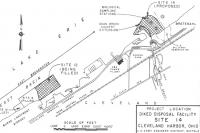
Environmental activism in the 1960s forced the Army Corps of Engineers to limit the open-water dumping of dredge spoils in the Great Lakes and create new “natural” areas along the shore.

Discard Studies is a website designed as an online hub for scholars, activists, environmentalists, students, artists, planners, and others whose work touches on themes relevant to the study of waste and wasting.
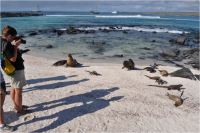
Is it possible to conserve the Galápagos Islands as a “natural laboratory” in the Anthropocene?

In this chapter of the German-language version of her virtual exhibition, “Mensch und Natur in der deutschen Literatur (Human-Nature Relations in German Literature),” Sabine Wilke examines mountains and glacial environments in German-language literary descriptions. Whereas the German Romantic poets still highlighted mountainous nature as deeply ambiguous, Goethe’s Faust tried to understand mountainous nature in its materiality through scientific studies. Modernism focuses on the more often destructive results of human-nature entanglements. For the English-language version of this exhibition, click here.
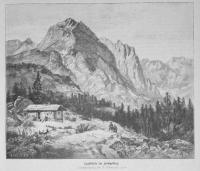
In this chapter of the German-language version of her virtual exhibition, “Mensch und Natur in der deutschen Literatur (Human-Nature Relations in German Literature),” Sabine Wilke examines forests and deforestation in works by Adalbert Stifter, Marlen Haushofer, and Elfriede Jelinek. For the English-language version of this exhibition, click here.

In this chapter of the German-language version of her virtual exhibition, “Mensch und Natur in der deutschen Literatur (Human-Nature Relations in German Literature),” Sabine Wilke shows how topics of pollution and waste in German-language writing reach back to the nineteenth century, when the production of industrial waste—and pollution of the air, ground, and water—first began to occur on a massive scale. For the English-language version of this exhibition, click here.
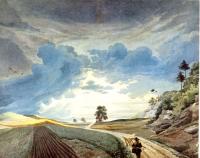
In this chapter of the German-language version of her virtual exhibition “Mensch und Natur in der deutschen Literatur (Human-Nature Relations in German Literature),” Sabine Wilke discusses texts that register transformations of landscapes or take a position on their causes. For the English-language version of this exhibition, click here.

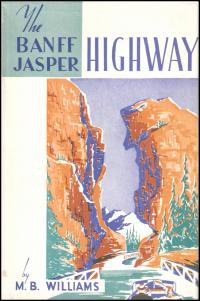
This 1963 edition of M. B. Wiliams’s 1948 book is a close replica of her 1920s guides to the highways and trails of the national parks of Canada.