Wild Earth 13, no. 2/3
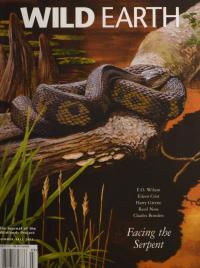
Wild Earth 13, no. 2/3, features essays on the biological and cultural significance of snakes, the populist right in America, rednecks as wildlife managers, and mosquitoes across the Florida Everglades.
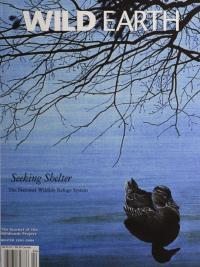
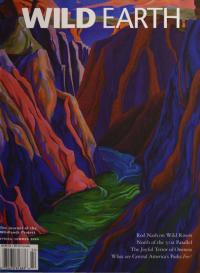
Wild Earth 13, no. 4, focuses on the National Wildlife Refuge System with essays on its history, the wildlife refuge in Southeastern Oregon, wildlands ofthe Great Plains, and pronghorn extinction in the Sonoran Desert.
Wild Earth 14, no. 1/2 features essays on protecting the national forest wilderness after the Wilderness Act, natural history going extinct, carnivore conservation in the Rocky Mountains, and questions of fertility.
Wild Earth 14, no. 3/4, is the last issue of the Wild Earth Journal. It presents essays on connectivity and long-distance migration in human-fragmented landscapes, the Great Bear Rainforest archipelago, and rewilding Patagonia.
Tie Xi Qu [West of the Tracks] documents the decline of China’s largest industrial manufacturing centers.
Yindabad deals with the flipside of Indian economic development, and how the enormous Narmada Valley Development Project impacts an indigenous population.
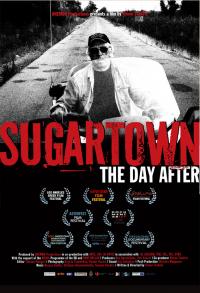
The film tells the story of how a small community and its environment can fall victim to the forces of disaster capitalism.
Surplus—Terrorized Into Being Consumers is a film about the destructive side of consumer culture.
Plagued by a series of apocalyptic visions, a young husband and father questions whether to shelter his family from a coming storm, or from himself.
Thank You Third World is a campaign that highlights short movies which draw attention to the exploitation of workforce in the Global South.