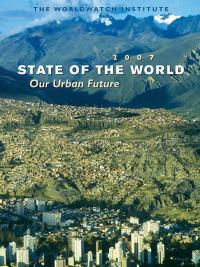
State of the World 2007: Our Urban Future
State of the World 2007: Our Urban Future examines changes in the ways cities are managed, built, and lived in that could tip the balance towards a healthier and more peaceful urban future.
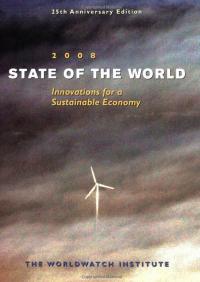

In State of the World 2008: Innovations for a Sustainable Economy, researchers with the Worldwatch Institute and other leading experts highlight an array of economic innovations that offer new opportunities for long-term prosperity.
State of the World 2009: Into a Warming World examines the policy changes needed to combat climate change and explores the economic benefits that could flow from the transition.
In State of the World 2010: Transforming Cultures, sixty renowned researchers and practitioners describe how we can harness the world’s leading institutions—education, the media, business, governments, traditions, and social movements—to reorient cultures toward sustainability.
State of the World 2011: Innovations that Nourish the Planet introduces the latest agro-ecological innovations and their global applicability and also gives broader insights into issues including poverty, international politics, and even gender equity.
State of the World 2012: Moving Toward Sustainable Prosperity showcases creative policies and fresh approaches that are advancing sustainable development in the twenty-first century.
In State of the World 2013: Is Sustainability Still Possible?, scientists, policy experts, and thought leaders attempt to restore the meaning to sustainability as more than just a marketing tool.
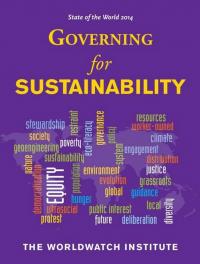
The 2014 edition, marking the Institute’s fortieth anniversary, examines both barriers to responsible political and economic governance as well as gridlock-shattering new ideas.
The development of specific instruments that aid in the mastery of life has led to the creation of artificial intelligence—soon maybe humans will also be replaceable.
A few decades ago, breeding efforts were limited to combining the genetic materials of existing agricultural plants and farm animals. Today, biotechnicians are creating new types of plants and animal species in their labs.