

Arcadia
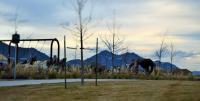
An Unnatural History of Rocky Flats National Wildlife Refuge, Colorado
Exploring the cultural and environmental transformation of Rocky Flats from military industrial complex to protected habitat.
Exploring the cultural and environmental transformation of Rocky Flats from military industrial complex to protected habitat.
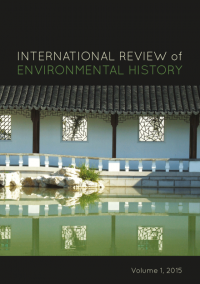
This article examines the environmental impacts of Cantonese gold-miners in New Zealand and situates its research in both Chinese environmental history and comparative global environmental history.
In this Review Essay, Karyn Pilgrim uses a vegetarian ecofeminist framework to examine the ethics of meat eating, arguing that a moral ambivalence prevails in the rhetoric of some popular nonfiction books that embrace omnivorous eating.

Susie Hatmaker investigates the largest flood of coal ash in United States history in 2008 as an event at once monumental and insignificant.
Jeremy Brice draws on ethnographic fieldwork among winemakers in South Australia to look at pasteurisation as a way to unsettle the assumption that only individual organisms can be killed, rendering other sites and spaces of killing visible.

Munich and the Isar: The City Makes the River?
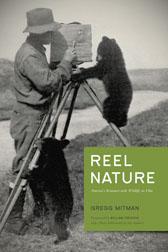
From the early exploits of Teddy Roosevelt in Africa to blockbuster films such as March of the Penguins, Gregg Mitman reveals how changing values, scientific developments, and new technologies have come to shape American encounters with wildlife on and off the big screen.
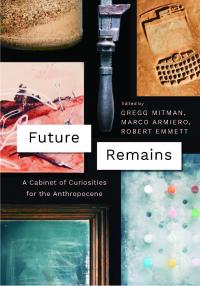
Marco Armiero, Robert S. Emmett, and Gregg Mitman have assembled a cabinet of curiosities for the Anthropocene, bringing together a mix of lively essays, creatively chosen objects, and stunning photographs by acclaimed photographer Tim Flach. Future Remains gathers fifteen objects which resemble more the tarots of a fortuneteller than the archaeological finds of an expedition—they speak of planetary futures.
Book profile for The Limits to Growth.