

Multimedia | film profile
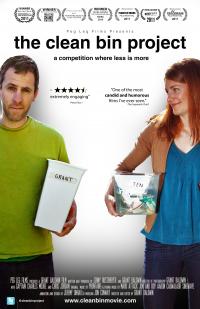
The Clean Bin Project
A couple competes to live with zero waste for a whole year, with comedic results.
A couple competes to live with zero waste for a whole year, with comedic results.

This film explores how various communities around the world are transitioning to a more sustainable and local way of life.
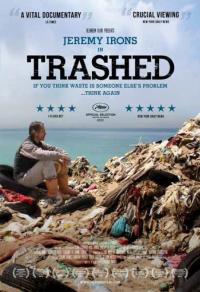
Jeremy Irons leads the viewer around the world as he explores the worst effects of the amount of waste humans produce, and what can be done about it.

This film examines a radical policy implemented by Ecuadorean President Rafael Correa: to leave Yasuni National Park’s oil in the ground and let the industrialized countries make a contribution to the preservation of the planet’s “green lungs.”
The contributions in this volume of RCC Perspectives address ways in which scarcity (and abundance) have been represented aesthetically and exploited politically in very different contexts.
In European imagination the North Atlantic has been seen as a region on the far borders of civilization and marked by the contrasts of scarcity and plenty.
Although medieval Scandinavian literary texts are heavily symbolic and thus cannot be used as reliable sources of information about environmental conditions of the past, they can shed valuable light on the ways premodern societies perceived and dealt with problems of scarcity and environmental change.
Since fossil fuel consumption has been integral to the project of modernity, energy history offers one way of trying to understand the Anthropocene and link the histories of capital and climate.
In literature and the arts, scarcity has often been given a positive interpretation as something to be cherished not shunned, actively endorsed and idealized rather than dismissed as an obstacle to artistic success.
This essay looks at science fiction works by Philip K. Dick and Ursula Le Guin from the 1970s in which visions of scarcity are both critiques of abundance and utopian gestures. Today, Ramírez argues, scarcity has lost its critical power.