


Multimedia | film profile
Flow: For Love of Water
This film discusses many of the themes surrounding water issues, especially privatization.
This film discusses many of the themes surrounding water issues, especially privatization.
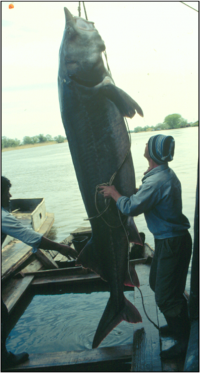
In this chapter of their virtual exhibition “‘Commanding, Sovereign Stream’: The Neva and the Viennese Danube in the History of Imperial Metropolitan Centers,” the authors discuss how the growing population required a lot of food and fish was significant part of the city dwellers’ diets. Social stratification led to the clear division between fish commodities for the wealthy and those for poor citizens, though some kinds of fish could be popular among all dwellers, regardless of social differences.
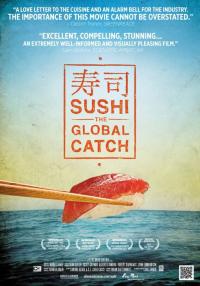
This film questions the sustainability of the four billion dollar global sushi industry, which has put the Blue Fin Tuna at risk of extinction.

This film follows the results of water privatization in Germany and England.
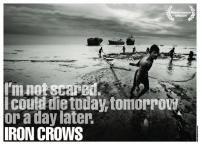
This film examines life in the Chittagong ship demolition yard, where workers risk their lives for two dollars a day to provide for their families.
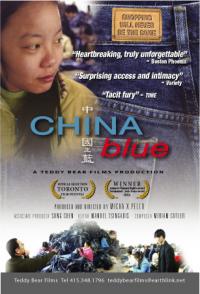
This film follows a seventeen-year-old Chinese girl who leaves home in order to work in a Chinese jeans factory.

This film follows an Indian farmer whose situation becomes a microcosm of the conflict between Monsanto and rural people living in poverty in India.

This film examines the roles and impact of Berlin’s Spree River, accompanied by a specially composed symphony from Karsten Gundermann.

This film follows Father Marco, a priest who has earned a price on his head because of his opposition to Peru’s powerful mining companies.

This film examines a mine that acts as a microcosm for globalization; illegal and legal workers, local and foreign businessmen, and politicians all navigate the new alliances that modern Africa demands.