

Arcadia
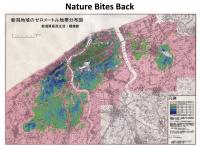
Creating Safety, Courting Disaster on the Lower Shinano River, Japan
Engineering the Lower Shinano River in northeastern Japan expanded the risk of other flood and tsunami damage.
Engineering the Lower Shinano River in northeastern Japan expanded the risk of other flood and tsunami damage.
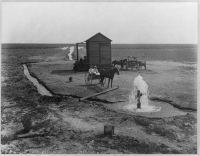
The agricultural landscape of California was based on a complex system of aqueducts that created the illusion of “normal” climatic variation.

This article examines how issues of representation and aesthetics have impacted the environmental history of early modern Europe.

The construction of the Serre-Ponçon dam in 1955 was the first step in the development of dams in the Durance River, the most regulated waterway in France
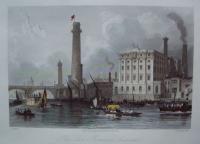
Making more beer for eighteenth-century London’s growing population increased the need for clean water. Efforts to guarantee supplies to the brewers had an effect on both urban and rural landscapes.
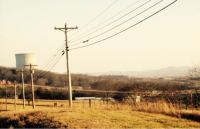
“Nuclear Ghosts” explores the history of the Tennessee Valley Authority’s failed nuclear power project in rural Tennessee, the enviro-technological controversy the plant generated, and why nuclear power was seen as a threat not only to lives but also a way of life, one intimately connected to the American South’s culture and environment.
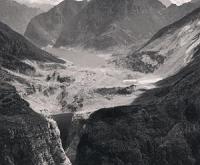
On October 9, 1963, a landslide above the Vajont Dam created a wave that destroyed several villages in the valley, killing about 2,000 people. Opinion as to whether to interpret the disaster as natural or one caused by human error remains divided.

Agbogbloshie (Ghana) is an unnerving and fascinating example of human ingenuity, but at the same time an environmental and social tragedy.
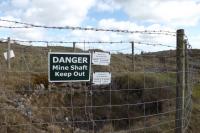
This article discusses controversy over drainage tunnels in a Welsh lead mining region in the nineteenth and early twentieth centuries.
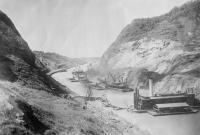
Scientists work to deploy atomic energy in Panama, but fail to overcome the country’s entropic environment.