

Multimedia | journal
Wild Earth 8, no. 1
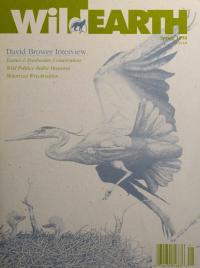
Wild Earth 8, no. 1 features essays on protection strategies for old growth forests, the problems of non-indigenous species for freshwater conservation, and using direct democracy to defend nature.
Wild Earth 8, no. 1 features essays on protection strategies for old growth forests, the problems of non-indigenous species for freshwater conservation, and using direct democracy to defend nature.
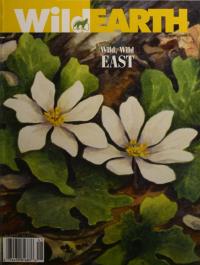
Wild Earth 11, no. 1, features stories about New England’s wilderness: primeval forests, the Northwoods, large mammals, old growth forests, as well as conservation history and biodiversity of the eastern United States.
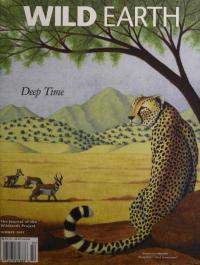
Wild Earth 12, no. 2, features essays on deep time and evolution, ecopsychology, animal indicators of ecosystem health, and a proposal for Pennsylvania’s Allegheny National Forest.
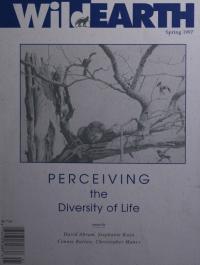
In Wild Earth 7, no. 1 David Abram rediscovers our animal senses, Stephanie Kaza analyzes assumptions and stereotypes about human-nature relations, Connie Barlow reflects on the epic of evolution, and Christopher Manes reflects on a meaningful relationship with the wild.
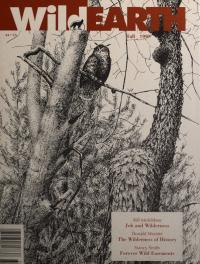
Wild Earth 7, no. 3 features contributions by Bill McKibben on “Job and Wilderness;” Donald Worster on “The Wilderness of History;” Richard Harris on the rivers of Catalonia, Spain; and Andrew Kroll and Dwight Barry on the integration of conservation and community in Colorado.
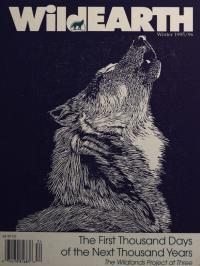
In Wild Earth 5, no. 4 Reed F. Noss reflects on what endangered ecosystems should mean to The Wildlands Project, and preliminary results of a biodiversity analysis in the Greater North Cascades ecosystem and a biodiversity conservation plan for the Klamath/Siskiyou region are presented.
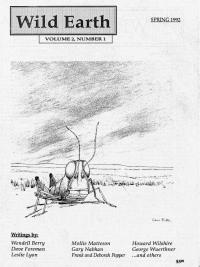
Wild Earth 2, no. 1 with essays on the ecological costs of livestock, bison hunt, trouts and their habitat, “wheeled locusts,” and off-road-vehicle trails on public lands.
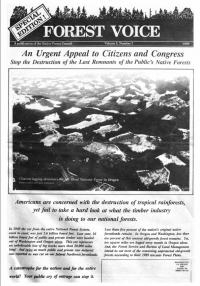
This issue of Forest Voice features photographs of deforested U.S. federal lands and argues that log exporting is both economically and environmentally foolish. It outlines appeals citizens can make to their government representatives to save national native forests.
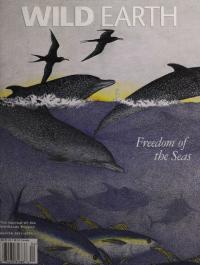
Wild Earth 12, no. 4, features an interview with Sylvia Earle on “Our Oceans, Ourselves,” essays on worldwide fishing and consumer conscience, on launching a sea ethic, and the food web complexity in kelp forest ecosystems.
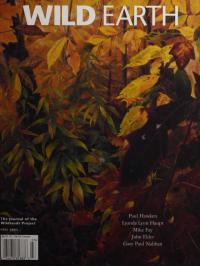
Wild Earth 12, no. 3, features essays on a cultural transformation towards sustainability, commerce and wilderness, the role of literary intellectuals in conservation, and the preservation of wildlands in Mexico.