Die Klimazwiebel
Die Klimazwiebel is a bilingual (German and English) climate blog started by a group of natural and social scientists in 2009. It aims for sustainable dialogue between climate warners and skeptics alike.
“Understanding the human implications of climate change,” the tagline of the Weather Matters hub, reveals it as a space for conversation among scholars and stakeholders concerned about climate change.
Droughts, high prices, and scarcity of food affected New Granada in the first decade of nineteenth century.
The First International Conference on Iceberg Utilization, held at Iowa State University in October 1977, contributed to the formation of nascent hydrologics in the late 1970s.
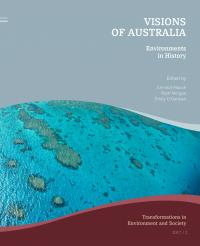
Rohan Lloyd explores the relationship between scientific management and preservation of the Great Barrier Reef, with the understanding of anthropogenic climate change marking a pivotal point.
The Climate History Network (CHN) is an organization of scholars who reconstruct past climate changes and, often, identify how those changes affected human history.
ENHANCE is a four-year innovative training network (ITN) funded by Marie Skłodowska Curie that is dedicated to further establishing the Environmental Humanities as a field of cutting-edge scholarship in Europe and further afield.
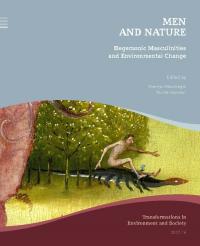
The essays in this collection explore how masculine roles, identities, and practices shape human relationships with the more-than-human world.
Jim Fleming gives an overview of the male-dominated state of climate engineering proposals and criticizes the current masculinist nature of climate intervention.
Noémi Gonda explores how the masculine figure of the cattle rancher plays a part in local explorations of climate change adaptation in Nicaragua.