

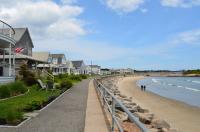
Arcadia
Dunes, Development, and Delay: Climate Change Comes to Long Beach
An east-coast beachfront neighborhood faces a difficult decision about how to respond to storms and rising seas.
An east-coast beachfront neighborhood faces a difficult decision about how to respond to storms and rising seas.

Chapters from the Handbook of the Historiography of the Earth and Environmental Sciences, edited by Elena Aronova, David Sepkoski, and Marco Tamborini.
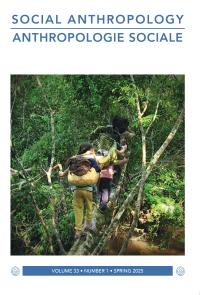
Chapters from the Social Anthropology/Anthropologie Sociale special issue “Child Socialisation and Environmental Transformation in Indigenous South America,” edited by Jan David Hauck and Francesca Mezzenzana.
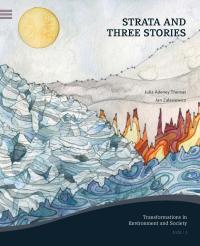
Jan Zalasiewicz presents the mounting evidence of the Anthropocene as a proposed geological epoch and points to the possible trajectories of planet Earth.
Sherilyn MacGregor writes to James Lovelock in gratitude, arguing that his provocative opinions may inspire environmental action by encouraging people to think critically.
Daniel Münster thanks Subhash Palekar for promoting natural farming across India and highlights its hopeful impact on farmers.
Seth Peabody writes to the founder of Patagonia, praising his environmental work while urging him to reimagine business as a driver of radical environmental change.
Anna Mazanik reflects on writing to imprisoned environmental activist Yevgeny Vitishko, seeking hope in local resistance amid the overwhelming global environmental crisis.
Katie Ritson reflects on the changing North Sea coast, linking its geological history and literature to the bigger picture of time and hope.
Cameron Muir’s letter explores the struggle to maintain hope amid despair, emphasizing the need to confront harsh realities rather than seek comfort in narratives.