State of the World 2012: Moving Toward Sustainable Prosperity
State of the World 2012: Moving Toward Sustainable Prosperity showcases creative policies and fresh approaches that are advancing sustainable development in the twenty-first century.
The 2014 edition, marking the Institute’s fortieth anniversary, examines both barriers to responsible political and economic governance as well as gridlock-shattering new ideas.
The Little Desert dispute of 1968 was a watershed in Australian environmental politics, marking the beginning of a new consciousness of nature.
Small Is Beautiful was first published in 1973 and still offers a crucial message for the modern world struggling to balance economic growth with the human costs of globalization.
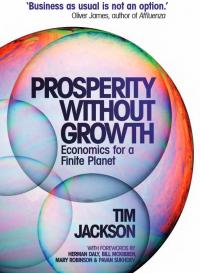
In Prosperity without Growth, Tim Jackson—a sustainability adviser to the UK government—makes a compelling case against continued economic growth in developed nations.
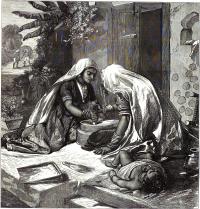
This is a chapter of the virtual exhibition “Famines in Late Nineteenth-Century India: Politics, Culture, and Environmental Justice”—written and curated by sociologist Naresh Chandra Sourabh and economic historian Timo Myllyntaus.
In this issue of Earth First! Journal John Green brings news from Alaska regarding the suspension of killing wolves. In addition, Carolyn Moran, the editor of magazine Talking Leaves, discusses tree-free paper and waste, and Judi Bari reveals the secret history of tree spiking.
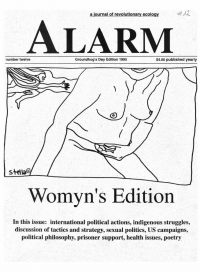
This issue of the ALARM is produced by women only. It is dedicated to the struggle to smash down patriarchy and save the planet, expresses solidarity with activists struggling against capitalist-patriarchal devastation as womyn, and “affirms our existence and our power on the front lines of the resistance.” Aimee Mostwill discusses pregnancy, abortion, and overpopulation; Judi Bari explains “why I am not a misanthrope.”
Live Wild or Die! no. 7 declares its attempt to be “unity” issue, crossing the boundaries that separate different movements. The issue covers fascism, work as wage-slavery, green anarchy, the millennium bug, and sexual liberation.
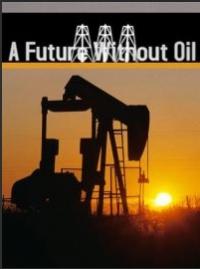
This film follows Ecuadorean President Rafael Correa’s plan to avoid exploiting its Amazonian oil fields and convince industrialized countries to help fund this initiative.