

Arcadia
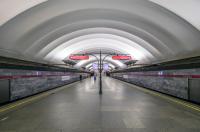
Dividing a City: The Flooding of the Saint Petersburg Metro (1995–2004)
A flooding in the Saint Petersburg metro divided the city into two parts for nearly a decade.
A flooding in the Saint Petersburg metro divided the city into two parts for nearly a decade.
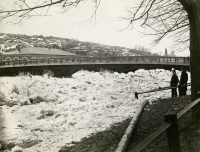
Historical documents provide detailed descriptions of ice-jam flood events and climate impacts in riverine communities.
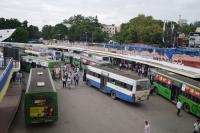
This article investigates the transformation of Bangalore’s Dharmambudhi lake into the central bus terminus.

Numerous cartographic and written historical sources tell the story of the measures Vienna’s dynamic Danube riverscape underwent in an extensive effort to secure navigation between the main river arm and the city within the last 500 years.
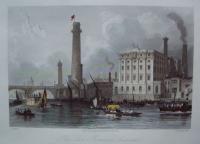
Making more beer for eighteenth-century London’s growing population increased the need for clean water. Efforts to guarantee supplies to the brewers had an effect on both urban and rural landscapes.
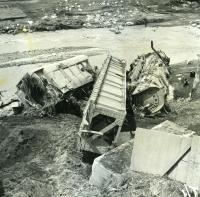
The Tangiwai disaster of 1953, New Zealand’s worst railway accident, is an environmental disaster with an enduring legacy.
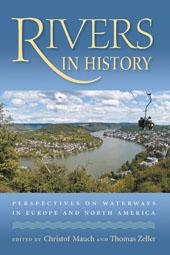
This book presents one of the first comparative histories of rivers on the continents of Europe and North America in the modern age. The contributors examine the impact of rivers on humans and, conversely, the impact of humans on rivers.
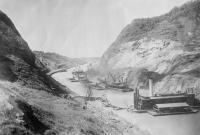
Scientists work to deploy atomic energy in Panama, but fail to overcome the country’s entropic environment.
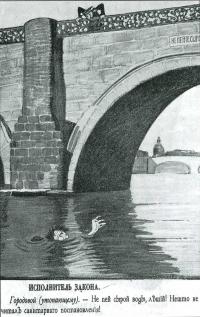
In this chapter of their virtual exhibition “‘Commanding, Sovereign Stream’: The Neva and the Viennese Danube in the History of Imperial Metropolitan Centers,” the authors discuss similarities and differences in the history of water supply, pollution, and waste management in St. Petersburg and Vienna.
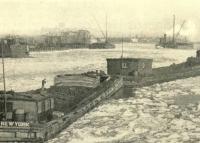
Severe winter weather in 1917–1918 paralyzed New York Harbor impacting logistical operations for the Allies in World War I.