

Perspectives Article
Māori Women in Southern New Zealand’s Shore-Whaling World
Kate Stevens and Angela Wanhalla explore the role of Māori women in nineteenth-century shore-whaling.
Kate Stevens and Angela Wanhalla explore the role of Māori women in nineteenth-century shore-whaling.
Susan A. Lebo analyzes three decades of newspaper articles reporting whaling in Hawaiian waters from the 1840s.
Vicki Luker details the important role played by tabua—or whales’ teeth—in Fijian history.
Noell Wilson details Japanese attempts to integrate modern-day Hokkaido into the Tokugawa political sphere via drift-whale policy.
Jakobina Arch contrasts the modern Japanese whaling industry with expansionist imperial Meiji regime policies.
Akamine Jun explores foodways of whale meat in Japan, specifically detailing Baird’s-beaked- whaling in eastern Japan.
Jonathan Clapperton details the importance of whaling to Puget Sound Coast Salish people (Puget Salish) along the Pacific Northwest Coast.
Billie Lythberg and Wayne Ngata explore what it means to be whale people in the modern whaling period.
Joshua L. Reid concludes that the history of Pacific whaling has undergone a scholarly renaissance.
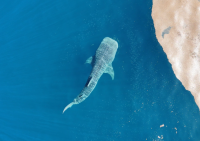
Whale sharks gather each year at Ningaloo Reef, their seasonal appearances drawing intensive human attention, reminding us that the story of the ocean is also our own story.