


Multimedia | film profile
Journey to the Safest Place on Earth
This film examines the limitations and contradictions of finding safe places for nuclear waste storage.
This film examines the limitations and contradictions of finding safe places for nuclear waste storage.
This article applies new understandings of environmental justice theory to a specific local case study. It uses a broader conception of environmental justice theory to further our understanding of the rise of the German anti-nuclear movement.

This essay traces the history of the nuclear risk discourse and policy in West Germany from the first use of the term GAU in the 1960s to the present. A close examination of the term reveals that it is in fact ambiguous, oscillating between support of nuclear energy and criticism of it.
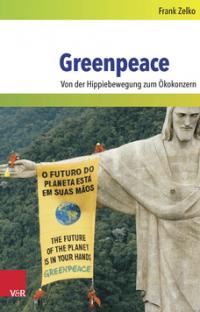
Frank Zelko’s study of Greenpeace is the first detailed study of the group’s history, from it’s origins as a loose-knit group of anti-nuclear and anti-whaling activists to the influential organization it is today.
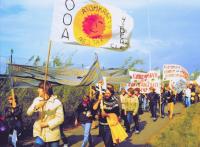
Anti-nuclear activism in Denmark was characterized by information campaigns and peaceful marches.

An unexpected group of activists, consisting of mostly farmers and vintners, occupied the construction site of a nuclear reactor near the German town of Wyhl in 1975.
Nuclear Humanities showcases interdisciplinary approaches to the problem of nuclear harm through a five-day workshop sponsored by Whitman College’s 2016 O’Donnell Endowed Chair in Global Studies.
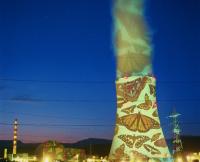
This article examines the implementation of the Gösgen Nuclear Power Plant in Switzerland, as well as its surrounding controversies.
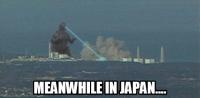
Godzilla has come to represent Japan’s Triple Disasters and the nuclear destruction of Hiroshima and Nagasaki within one singular body.
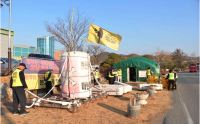
The residents near Wolsong Nuclear Power Plants at Gyeongju, South Korea, protest to claim their rights to live with dignity.