

Multimedia | book profile
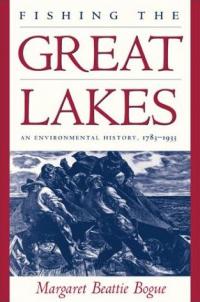
Fishing the Great Lakes: An Environmental History, 1783–1933
Traces the changing relationships between the fish resources and the people of the Great Lakes region.
Traces the changing relationships between the fish resources and the people of the Great Lakes region.
Seth Peabody writes to the founder of Patagonia, praising his environmental work while urging him to reimagine business as a driver of radical environmental change.
Environmental historian Fei Sheng, a native of Hangzhou, addresses this city’s citizens to consider balancing economic growth with environmental protection while expressing hope for Hangzhou’s future.
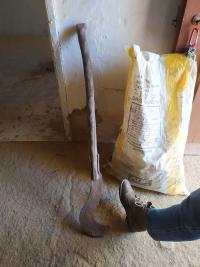
In 1966, historian Albert Silbert highlighted the longstanding importance of fire in the traditional Portuguese rural economy, at a time when such practices were being erased from the landscape.
A long struggle on the part of the Mi’gmaq community of Listuguj to continue fishing, despite arrests and financial pressures, has cleared the way for the resurgent power of Mi’gmaq law to govern the fishery, and to face the salmon aquaculture industry with confidence.
Marianne Balto highlights how the Sami Parliament works to protect Sami rights, culture, and livelihoods by promoting sustainable salmon management, traditional knowledge, and responsible industry practices across Norway and beyond.
Katie Beach examines how Ahousaht Nation navigates fish farming impacts on their traditional territories—addressing sea lice, escaped farmed fish, and other ecological threats—through negotiated agreements, collaborative research, and stakeholder-inclusive management.

Recyclable waste in India is dealt with in traditional ways and could serve as a model for sustainable waste management in the Global North.
Marc Elie reflects on the evolution of his research on tragic events in twentieth-century Russia and the Soviet Union—from researching Gulag ex-detainees to analyzing the history of disaster and risk management.

Stephen J. Pyne argues that environmental historians can offer practical value to communities, particularly in areas such as wildfire management.