Wildeornes—Early English | Wilderness Babel
This chapter in the “Wilderness Babel” exhibition, written by Raymond Chipeniuk, shows that in many cultures the idea of wilderness has been borrowed from the English-speaking world.
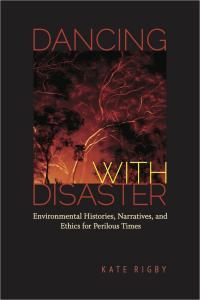
Kate Rigby examines a variety of past disasters, from the Black Death of the Middle Ages to the mega-hurricanes of the twenty-first century, revealing the dynamic interaction of diverse human and nonhuman factors in their causation, unfolding, and aftermath. Focusing on the link between the ways disasters are framed by the stories told about them and how people tend to respond to them in practice, Rigby also shows how works of narrative fiction invite ethical reflection on human relations with one another, with our often unruly earthly environs, and with other species in the face of eco-catastrophe.

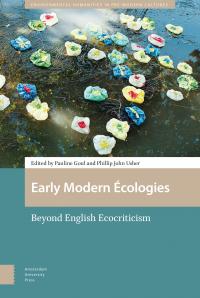
Early Modern Écologies is the first collective volume to offer perspectives on the relationship between contemporary ecological thought and early modern French literature.
David-Christopher Assmann explores how rubbish is translated into (literary) text, arguing that discarded materials are difficult to translate, resisting discursive orders and practices.
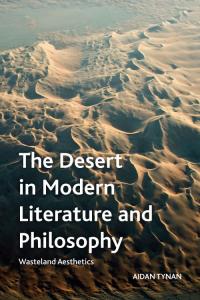
Excerpt from The Desert in Modern Literature and Philosophy by Aidan Tynan.
David-Christopher Assmann scrive un testo narrativo per raccontare la sua ricerca che verte su come la narrativa e la poesia abbiamo esplorato e trattato il tema dei rifiuti. Questa meta-narrativa ci ricorda quanto i rifiuti siano difficili da trattare, anche attraverso le convenzioni letterarie.
Excerpt from RCC fellow Jemma Deer’s monograph Radical Animism: Reading for the End of the World.
Excerpt from Vital Decomposition: Soil Practitioners and Life Politics by Kristina Lyons.