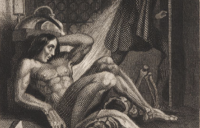
Climate Disaster, Ecoanxiety, and Frankenstein: Mount Tambora and Its Aftereffects
Ecoanxiety in Mary Shelley’s Frankenstein signals our ability to create art in reaction to environmental disaster in increasingly unstable planetary futures.
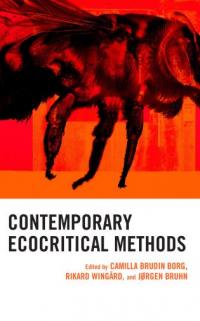

An edited volume on contemporary methods for ecocriticism.
Joana Freitas reveals the reasons, troubles, and charm of writing about sand and how poetry can be more effective than prose to describe dunes.
The surprising career of the advertising slogan “everybody talks about the weather” is a story about political transformation.
Novelist Catherine Bush walks the streets of Venice, seeking art that engages with Rachel Carson at the Biennale Arte 2024.
A reflection on borderlands by Nicholas Allen.
Katie Ritson reflects on the changing North Sea coast, linking its geological history and literature to the bigger picture of time and hope.
Kata Beilin’s short story narrates of a scholar’s Amazonian journey, which awakens her from ambition’s illusion to the deeper truth of the interbeing in the forest.
The essay acquaints readers with an ecocritical approach to comics by close reading three recent “ecocomics” with an emphasis on thematic and formal features.
The 1783 Mount Asama eruption and the Tenmei Famine were reimagined through humor in early modern Japanese satire, revealing a world where rice, not riches, defined survival.