


Arcadia
The Australia Day Floods, January 1974
Brisbane’s 1974 floods substantially damaged Brisbane, accelerating the government’s plans for a second flood mitigation dam.
Brisbane’s 1974 floods substantially damaged Brisbane, accelerating the government’s plans for a second flood mitigation dam.
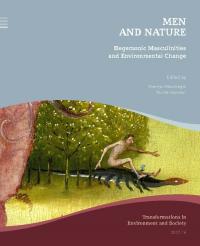
Susanne Leikam explores the extreme weather hero and performed masculinity in contemporary American pop culture through an analysis of the 2013 film Sharknado.

Droughts, high prices, and scarcity of food affected New Granada in the first decade of nineteenth century.

Human geographer Mike Hulme looks at sociotechnical developments that have changed the climate and, at the same time, the way we experience the weather.
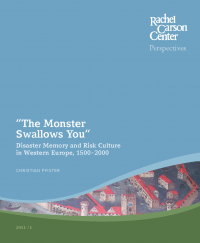
In this issue of RCC Perspectives, Christian Pfister examines disaster memory and risk culture. In contrast to the memory of war, the memory of natural disaster is markedly short-lived in a globalized world, yet such memory should be preserved in order to minimize the impact of similar disasters in the future.
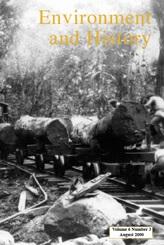
Despite the devastating impact that flooding, drought and fire associated with the 1982/3 and 1997/8 El Nino events had on both the natural environment and human society, there is little information on the persistence or impact similar events may have had in the ‘deeper’ past…
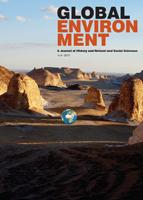
This article seeks to shed light on some of the many possible interactions between changes in rainfall regime, one of the climatic factors with the greatest bearing on the history of human society, and the economic and socio-environmental dynamics of Costa Rica.

The full book by RCC alumna Katrin Kleemann.
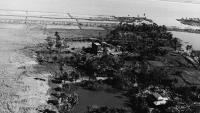
The Bhola Cyclone of 1970 contributed to the independence of Bangladesh and had lasting impacts on its disaster preparedness and public welfare.
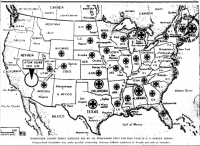
When a tornado strikes Worcester, Massachusetts, residents suspect the disaster is the work of an unlikely culprit—the atomic bomb.