


Arcadia
Banff Is … Hell? The Struggle of Being Canada’s First, Most Famous, and Most Visited National Park
Banff is the Canadian national park you have heard of.
Banff is the Canadian national park you have heard of.
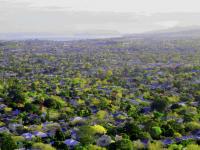
The article discusses the role of native trees as representatives of national identity and belonging.

Live Wild or Die! no. 8 shows the progressively radical vision of the magazine and the increasingly large chasm separating it from the mainstream of Earth First! It features musings about industrial society collapse, essays by John Zerzan and Ted Kaczynski, and reports on ELF actions and GMOs.

International Organizations and Environmental Protection comprehensively explores the environmental activities of professional communities, NGOs, regional bodies, the United Nations, and other international organizations during the twentieth century. It follows their efforts to shape debates about environmental degradation, develop binding intergovernmental commitments, and—following the seminal 1972 Conference on the Human Environment—implement and enforce actual international policies.

The history of Puckapunyal Military Training Area illustrates how war and the environment interact in sometimes unexpected ways.
Nature of the Miracle Years traces the gradual development of the German conservation movement through the democratization perido of postwar German society.
The Environment and Sustainable Development in the New Central Europe highlights creative solutions being implemented in Central and East Central Europe to overcome environmental problems and ensure sustainable development.
Conservation and Mobile Indigenous Peoples presents case studies on the effects of modern conservation projects on local and indigenous populations across the world, and highlights lessons to be learnt for sustainable development.

Eriksson and Arnell address the ecological and cultural effects of the Swedish infield system in Scandinavia. Their essay sheds light on how the human construction and management of infields maintained a spatial continuity that greatly altered, and continues to impact, how humans and other organisms have developed.
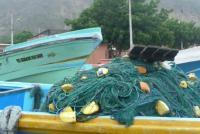
This article addresses the social implications of fishers leaving activities connected with small-scale fisheries, with an emphasis on food sovereignty.