

Perspectives Article
Switching from the Master to the Mistress: A Women’s Guide to Powering Up the Home
The author explores how the first professional women decorators in Britain helped women gain agency in the home.
The author explores how the first professional women decorators in Britain helped women gain agency in the home.
Sayer looks at candles as an example of how less prominant energy sources and uses play key roles in energy transitions.
Looking to rural Canada, the author shows how women’s concerns for family safety drove energy choices and supplier campaigns.
This edited radio-show transcript provides personal accounts of women’s experiences in rural Ireland during the transition to electricity.
Dolata brings to light how the conflicts faced by women has shaped their agency in energy transitions.
Helbert raises the issue of justice in energy transitions by looking at the discrimination faced by women in oil regions of Nigeria.

In this episode from the New Books Network podcast, Astrid Eckert is interviewed on her book, West Germany and the Iron Curtain: Environment, Economy, and Culture in the Borderlands.

Describing geothermal exploration traces and explosions at the “El Tatio” geyser field, this article explores the (in)visible trajectories of underground water.
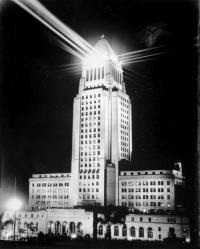
Gender colonization, progress, and nature on display as the first electricity from Hoover Dam arrived in Los Angeles in 1936.

A close reading of the tourist spectacle devised to give a hydropower company an environmentally- and socially-friendly image.