

Multimedia | Env. blogs & websites
Extinction Studies Working Group
The Extinction Studies Working Group is a group of humanities scholars researching and writing on the themes of time, death, generations, and extinction.
The Extinction Studies Working Group is a group of humanities scholars researching and writing on the themes of time, death, generations, and extinction.
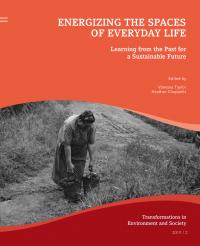
Ruth Sandwell examines people’s energy-related experiences in the transition from the organic to the mineral fuel regime in Canada.
Odinn Melsted traces Reykjavík’s transition from coal to geothermal energy.
Daniel Barber explores alternative visions of modernity in architectural projects in Brazil from the 1930s and 1940s that embraced, rather than excluded, climate.
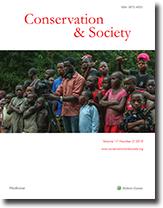
The authors draw on empirical experience to assess the extent of the impact of race and social equity in conservation, with the aim of promoting sustainable and more inclusive conservation practices in South Africa. Their findings suggest conservation practices in post-apartheid South Africa are still exclusionary for the majority black population.
This paper uses data from a long-term ethnography of both the local people and the conservation agenda in the Pantanal wetland, Brazil, to discuss how environmentalists used the National Policy for the Sustainable Development of Traditional Peoples and Communities (PNDSPCT) to justify the displacement of local people.
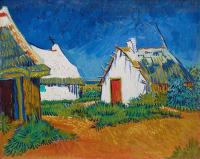
The Camargue hut, a traditional dwelling from the southern French wetlands, exemplified the practical environmental wisdom of ordinary people.

This article examines the development of lake Ohrid in Macedonia, and the dilemma between environmental protection and the expansion of mass tourism on the lake’s fragile shores.
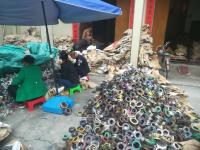
Once the largest toxic e-waste dump in the world, government investment in environmentally sustainable recycling has begun to change Guiyu.

In this episode from the New Books Network podcast, Kristina M. Lyons is interviewed on her new book, Vital Decomposition Soil Practitioners and Life Politics.