

Multimedia | book profile
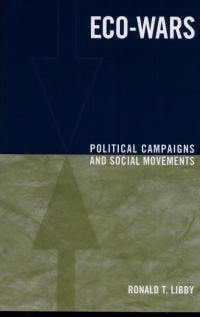
ECO-WARS: Political Campaigns and Social Movements
An analysis of the challenges faced by grassroots campaigns in the United States, and the corporations they oppose.
An analysis of the challenges faced by grassroots campaigns in the United States, and the corporations they oppose.
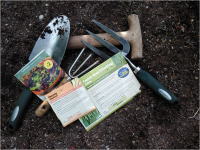
Since the 1960s, the community food movement in the United Kingdom has evolved from a means of survival to an alternative to industrialized agriculture.
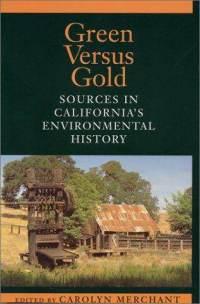
Green Versus Gold examines California’s environmental history, ranging from its Native American past to conflicts and movements of recent decades.
Martinez-Alier discusses issues relating to the concept of “sustainable development” as used by the Brundtland Commission.
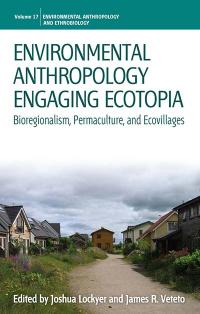
Environmental Anthropology Engaging Ecotopia brings together case studies from across the globe to reveal underlying cultural ontologies and call for more integration between the work of scholars and practitioners.
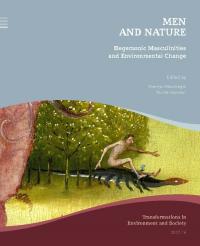
The essays in this collection explore how masculine roles, identities, and practices shape human relationships with the more-than-human world.
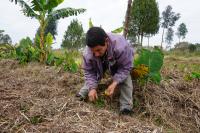
In this chapter from the virtual exhibition “Global Environments: A 360º Visual Journey,” Claire Lagier’s 360º video shows six-year-old agroforestry projects in a land reform settlement in the state of Paraná, Brazil. Her research focuses on agroecological rural social movements in this region.
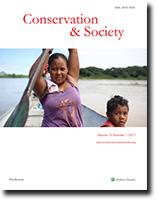
The author investigates the lives of Tibetan pastoralists in alpine wetlands, how they understand wetlands, and how politics, market forces, and religious norms cooperate to produce their relationships with their livestock and their lands.
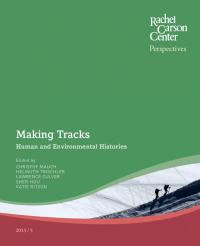
Amy M. Hay examines the history of Agent Orange and its environmental and human consequences—a story that represented a transnational history.
A nuanced treatment of the relation between peasant protests and environment with reference to a broad range of examples from Mediterranean Europe, Latin America, Asia, and Africa.