

Perspectives Article
Whaling, Tabua, and Cokanauto
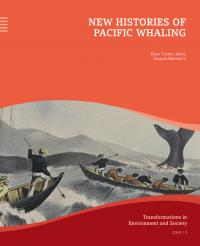
Vicki Luker details the important role played by tabua—or whales’ teeth—in Fijian history.
Vicki Luker details the important role played by tabua—or whales’ teeth—in Fijian history.
Bathsheba Demuth looks at the value of whales for indigenous peoples around the Bering Strait.
Ryan Tucker Jones recounts how environmental activist organizations came into conflict with indigenous groups in the Bering Straight.
Adam Paterson and Chris Wilson consider Ngarrindjeri contributions to Southern Australia’s nineteenth-century whaling industry.
Jonathan Clapperton details the importance of whaling to Puget Sound Coast Salish people (Puget Salish) along the Pacific Northwest Coast.
Billie Lythberg and Wayne Ngata explore what it means to be whale people in the modern whaling period.
Joshua L. Reid concludes that the history of Pacific whaling has undergone a scholarly renaissance.
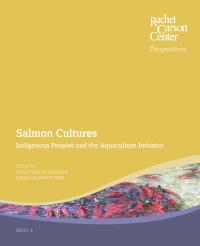
Camilla Brattland and Dorothee Schreiber emphasize that, despite varying stances on salmon farming, Indigenous communities share a commitment to protecting wild salmon, asserting their rights and perspectives, and promoting collaborative decision-making locally and globally.
A long struggle on the part of the Mi’gmaq community of Listuguj to continue fishing, despite arrests and financial pressures, has cleared the way for the resurgent power of Mi’gmaq law to govern the fishery, and to face the salmon aquaculture industry with confidence.
Bob Chamberlin presents Owadi, chief of the Kwicksutaineuk Ah-Kwa-Mish First Nation, as advocating for the protection of Indigenous rights and territories by opposing harmful fish farming practices and demanding meaningful inclusion of First Nations in regulatory decisions.