
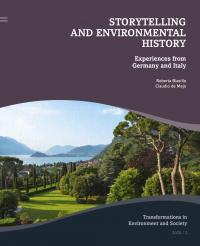
Making Sense of Water: A Personal Quest into the History of Irrigation
Wilko Graf von Hardenberg discusses the ways water management policies shaped the landscape of his childhood during the years of the Fascist regime in Italy.
Fabian Zimmer discusses how the perceptions of dam visitors were actively shaped through public open days throughout the twentieth century.
Flora J. Roberts discusses the environmental history of the Syr Darya river in the Ferghana Valley and the consequences arising from the damming of the river.
Claudio de Majo argues that the notion of the commons, often seen as an economically motivated notion, could also be seen in relation to metabolic cycles, both in the mountains of Sila in Italy and in the uplands of the Serra Gaucha in southern Brazil.
Through a combination of historical research and environmental fieldwork focusing on photographic imagery taken during World War I, Noemi Quagliati documents the environmental recovery of the former Western Front.
Ansgar Schanbacher charts the history of urban development in Göttingen focusing on the degree to which previously green and fertile agricultural areas have been sealed due to the demands of industrial development.
Indigenous groups in Nayarit, Mexico, reaffirmed their sacred environmental sites through social movement.
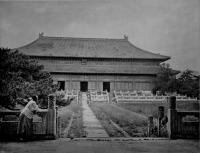
Beijing’s huge palaces rest on giant timbers logged in the far reaches of southwestern China, a project with disastrous implications.
Combinando memoria, esperienza e ricerca d’archivio, questo volume esplora la connessione tra lo storytelling e la storia ambientale in Germania e in Italia.
Wilko Graf von Hardenberg percorre a ritroso i paesaggi della sua infanzia e riflette sulle politiche di gestione delle acque durante gli anni del regime fascista in Italia.