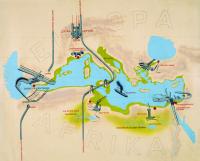
Atlantropa – Endless Energy from the Mediterranean Sea
The construction of a giant dam across the Strait of Gibraltar, proposed by the Munich architect Hermann Sörgel (1885–1952), would have created the largest hydroelectric facility in the world.
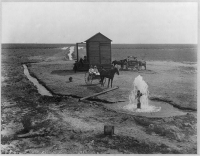
The agricultural landscape of California was based on a complex system of aqueducts that created the illusion of “normal” climatic variation.
Automobiles fundamentally shifted the ways in which visitors to animal attractions experienced the creatures on display before their eyes.
The construction of the Serre-Ponçon dam in 1955 was the first step in the development of dams in the Durance River, the most regulated waterway in France
The Canal de Marseille has allowed an improvement in the water supply in the city of Marseille, but also induced environmental issues in its first decades due to strong suspended sediment fluxes.
“Nuclear Ghosts” explores the history of the Tennessee Valley Authority’s failed nuclear power project in rural Tennessee, the enviro-technological controversy the plant generated, and why nuclear power was seen as a threat not only to lives but also a way of life, one intimately connected to the American South’s culture and environment.
In 1997 and 1998 peat swamp forests burned in Borneo, Indonesia, spewing big amounts of carbon dioxide into the atmosphere.
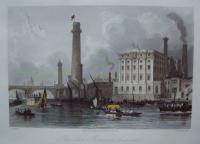
Making more beer for eighteenth-century London’s growing population increased the need for clean water. Efforts to guarantee supplies to the brewers had an effect on both urban and rural landscapes.
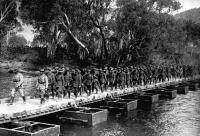
The history of Puckapunyal Military Training Area illustrates how war and the environment interact in sometimes unexpected ways.
The day-to-day experiences of the men who developed and tested the British nuclear deterrent on Christmas Island from 1956–1958.